Sponsors, funds, grants
Film funding and grants for film
We help you put together your financing: PISF, regional funds, the 30% cash rebate and sponsors.
Sources of funding
Where to find money for a film
Source 03
Sponsors
Sponsorship and product placement: how to prepare an offer for brands and settle the cooperation.
Source 04
30% cash rebate
A rebate of up to 30% of qualifying Polish spend – who can apply, what the thresholds are and how settlement works.
About funding
Money for film
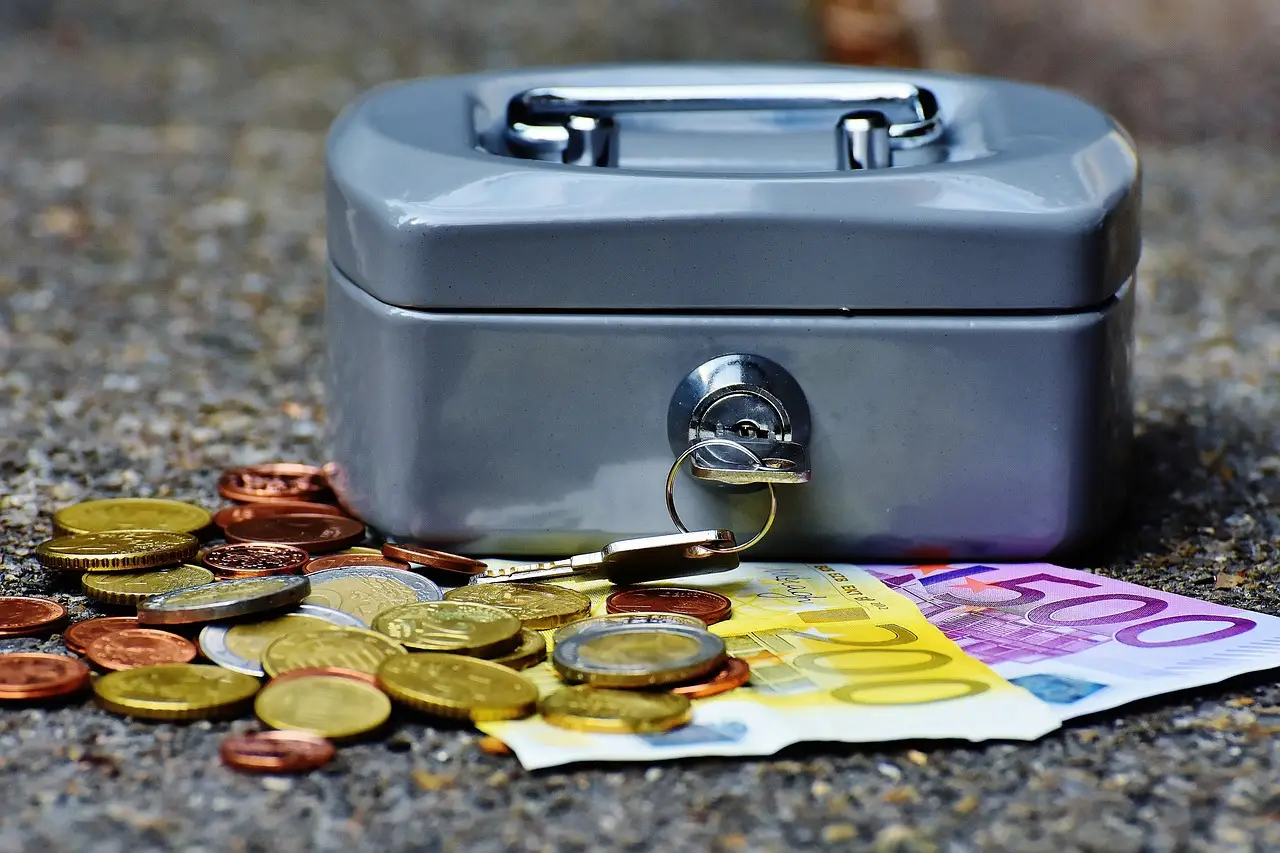
Few films are made with money from a single source. A budget is usually made up of several parts: a grant from the Polish Film Institute (PISF), a contribution from a regional film fund, a rebate from the 30% cash rebate scheme, contributions from co-producers and broadcasters, and private money – from sponsors or product placement. This combination is known as the financing structure (the finance plan).
We do not grant loans or invest in films. We help producers plan their financing structure, choose the right sources and deadlines, and prepare the documentation that institutions and partners expect – the budget, the schedule, the financing plan and the applications.
The financing structure – what a film’s budget is made of
Every source of financing has its own rules, deadlines and expectations of the producer. A good financing plan takes into account not only how much money can be raised, but also when it will actually arrive and what obligations come with it. Below are the main sources used in Polish productions (as of November 2026).
| Source | Form of support | How we help |
|---|---|---|
| PISF | A grant under the Operational Programmes, awarded in application sessions | Choosing the priority, budget, schedule, assembling the application |
| Regional funds | Most often a co-production contribution in exchange for a share of the rights | Assessing the project’s regional connection, budget of spending in the region |
| 30% cash rebate | A rebate of part of the eligible Polish costs after the final accounts | Planning spending in Poland, cost documentation |
| Co-producers and broadcasters | Financial, service or in-kind contribution, pre-sales of rights | Materials for partners, budget and schedule for negotiations |
| Sponsors and brands | Sponsorship, product placement, barter | Offer package, valuation of benefits, settling the cooperation |
We describe the detailed rules of the public programmes on our blog: PISF film funding, regional film funds and the 30% cash rebate. On these pages we focus on how we can help in practice.
Public funding
The Polish Film Institute
PISF supports film production under its annual Operational Programmes. Applications are submitted in set sessions via an online application system, and projects are assessed by experts. For many feature, documentary and animated films, a PISF grant is the first, key element of the financing structure – often a precondition for talks with further partners.
Regional film funds
Funds operating in several regions of Poland, run by local governments or cultural institutions, support projects connected with a given city or province. They usually require a specified amount to be spent in the region and often come into the project as a co-producer. We keep an up-to-date list with contact details on the regional film funds page.
30% cash rebate
The incentive scheme, administered by PISF, provides for a rebate of 30% of the eligible Polish costs of an audiovisual production – including production services for foreign productions. The support is paid out after the final report has been verified, so bridging finance has to be provided for in the financing plan. More in our guide to the 30% cash rebate.
Co-productions
A co-production makes it possible to combine the resources of several producers and, with foreign partners, to tap the sources of financing available in their countries and European programmes such as Eurimages or Creative Europe MEDIA. PISF runs, among other things, a separate priority for minority international co-productions and the Polish-German Film Fund.
A co-production is, however, above all an agreement: the division of rights and revenue, territories, creative decisions, responsibility for budget overruns. We help prepare materials for partners, a budget broken down by co-producer and a schedule of spending in each country, and we coordinate the legal side of the agreement with our legal services.
Private financing
Private money supplements the financing structure but rarely replaces it. Most often it takes the form of:
- sponsorship and product placement – the brand gains a presence in the film or in its promotion, and the production gets money, products or services;
- barter – e.g. equipment, vehicles, accommodation or catering in exchange for promotional benefits;
- a contribution from a private investor or co-producer – usually in exchange for a share of the film’s revenue, on terms negotiated individually in the agreement.
With private investment it is worth remembering that a film’s revenue is uncertain, and the agreement should clearly set out the order of repayment (recoupment) and the share of profits. Always consult such agreements with a lawyer and a financial adviser.
How we help with film financing
- Project analysis – we read the script or treatment and get to know the production approach and the project’s stage of development.
- Budget and schedule – we prepare the budget in the format required by the institutions, along with a realistic production plan.
- Financing plan – we propose a combination of sources and a calendar of calls, so that the deadlines and conditions fit together.
- Documentation and applications – we help assemble the applications and attachments; they are submitted and signed by the applicant (the producer).
- Reporting – once financing has been secured, we support reporting to institutions and partners.
We do not promise that a grant will be awarded – that is decided by the experts and the institutions. What we can do is make sure the project goes to the right programmes with complete and consistent documentation.
Next steps
Describe your project via the contact form: genre, stage of development, planned budget and shooting dates. We will reply with the sources of financing worth considering and how we can help prepare the documentation.



FAQ
Frequently asked questions
01Does Holly Łódź finance films or grant loans?
No. We are not a fund or an investor. We help producers raise money from public and private sources: we plan the financing structure, prepare budgets and documentation for applications, and materials for co-producers and sponsors. Funding decisions are always made by the institutions and partners.
02Where should you start when looking for money for a film?
With a solid project package: a script or treatment, a budget, a schedule and a preliminary financing plan. On that basis you can see which programmes the project fits and in what order to submit applications. Without a budget it is hard to talk either to an institution or to a co-producer.
03Can a PISF grant, a regional fund and the 30% cash rebate be combined?
In many projects they are, but combining sources has limits – including state aid ceilings and the conditions of individual programmes. Before you plan your financing structure, check the current rules and consult the structure with the institutions. We help arrange the plan so that the sources do not exclude one another.
04What is a co-production and when does it pay off?
A co-production is a joint production by several entities that contribute money, services or in-kind contributions and share the rights to the film. It gives access to further sources of financing and to new markets, but requires a carefully negotiated agreement. In international co-productions, the rules of the programmes used by the individual partners also come into play.

Contact
Let’s talk about your film’s financing plan
Tell us about your project – we’ll come back with a proposed scope, schedule and budget.