Top 10 Polish actors
The ten greatest Polish film actors. Iconic roles, awards and profiles of the performers who shaped Polish cinema.

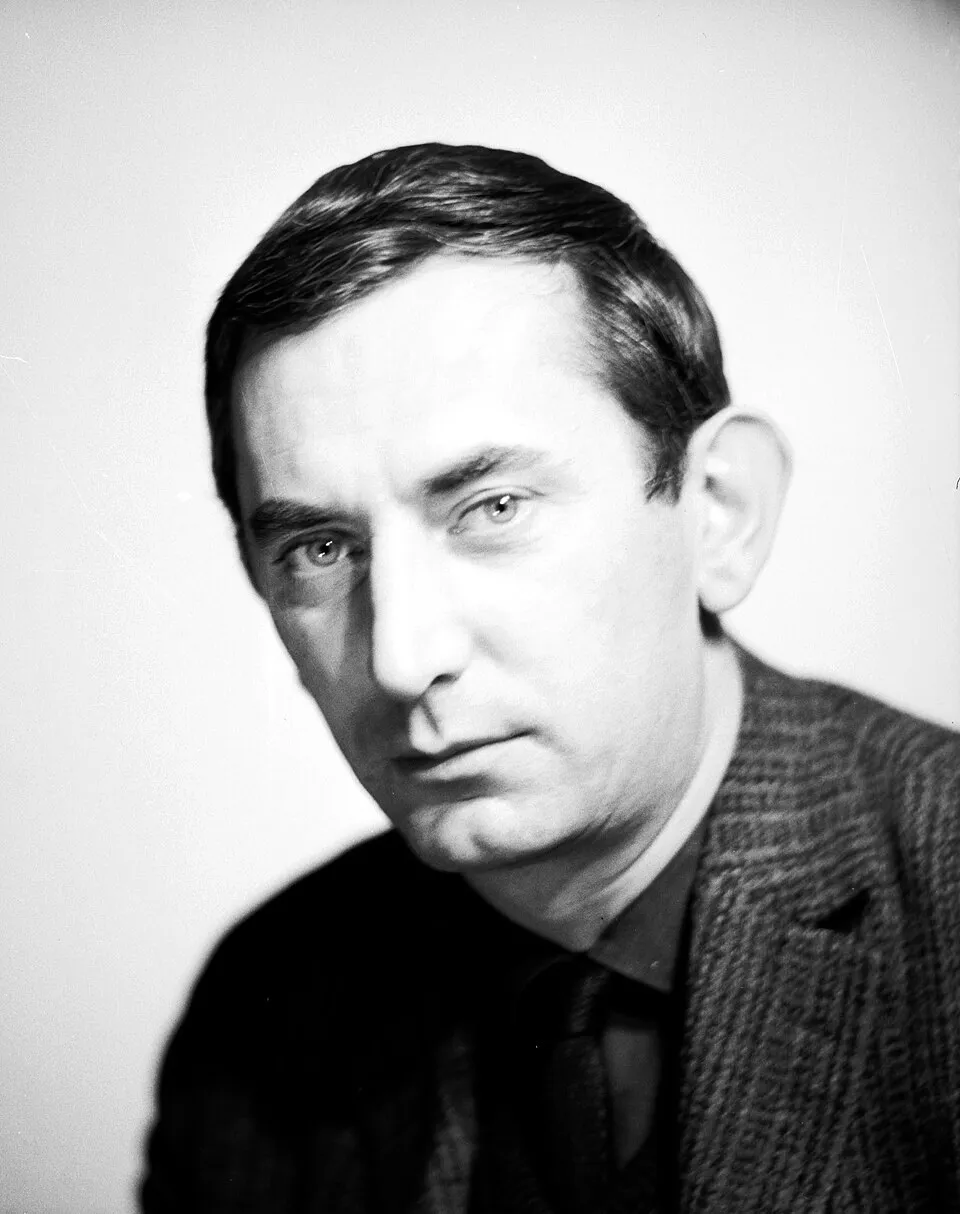 Photo: Edward Hartwig, CC BY-SA 4.0, Wikimedia Commons
Gustaw Holoubek was a Polish stage and film actor, born on 21 April 1923 in Kraków; he died on 6 March 2008 in Warsaw.
10. Gustaw Holoubek
He began his acting career in 1947 on stage in Kraków. Over his lifetime he worked with many theatres, including Teatr Śląski in Katowice, Teatr Dramatyczny and Teatr Narodowy (National Theatre) in Warsaw, and Teatr Ateneum in Warsaw. His roles as the title character in Shakespeare’s “Hamlet” (1962) and as Gustaw-Konrad in Mickiewicz’s “Dziady” (Forefathers’ Eve), directed by Kazimierz Dejmek (1967), went down in history.
He made his film debut in 1953 in “Żołnierz zwycięstwa” (Soldier of Victory) and went on to appear in many significant productions, such as “Pętla” (The Noose, 1957), “Pożegnania” (Farewells, 1958), “Prawo i pięść” (The Law and the Fist, 1964) and “Rękopis znaleziony w Saragossie” (The Saragossa Manuscript, 1964). From 1952 he was also a theatre director, and in 1975 he made the feature film “Mazepa”.
Gustaw Holoubek was also politically and socially active. From 1976 to 1982 he was a member of the Sejm of the Polish People’s Republic, and from 1989 to 1991 a senator for the Solidarity Citizens’ Committee. He was also involved in cultural life, among other things as president of the actors’ association SPATiF-ZASP from 1970 to 1981.
During his acting career he won many awards and distinctions, including the State Prize, First Class (1966 and 1978) and the Aleksander Zelwerowicz Award (1995); he was posthumously awarded the Order of the White Eagle. Gustaw Holoubek was one of the most important actors of Polish theatre and cinema, and his contribution to Polish culture is immeasurable.
The cast is just one of the departments on set. We assemble complete film crews — from camera and lighting, through sound, to production design and make-up.
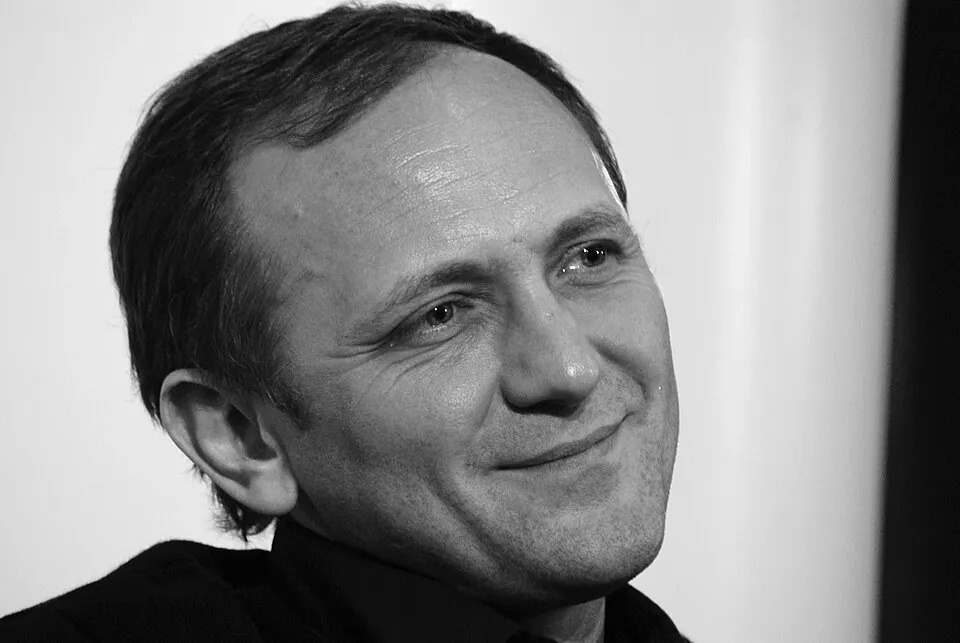 Photo: Daniel Kruczynski, CC BY-SA 2.0, Wikimedia Commons
Andrzej Chyra is a Polish film, stage and television actor, born on 27 August 1964 in Gryfów Śląski.
9. Andrzej Chyra
He began his acting career at the end of the 1980s and rose to prominence with the role of Gerard Nowak in Krzysztof Krauze’s “Dług” (Debt, 1999). He later played many significant roles in films such as “Komornik” (The Collector, 2005), “Wszyscy jesteśmy Chrystusami” (We’re All Christs, 2006), “Katyń” (Katyn, 2007) and “W imię…” (In the Name Of, 2013).
Andrzej Chyra is also known for his work in the theatre – first at Teatr Rozmaitości (TR Warszawa), and then at Nowy Teatr in Warsaw. In Krzysztof Warlikowski’s productions he played, among others, Dionysus in Euripides’ “The Bacchae” (2001) and Roy Cohn in “Angels in America” (2007); for the latter he received the Aleksander Zelwerowicz Award.
During his career he has received many awards, including three Best Leading Actor awards at the Gdynia Film Festival – for “Dług” (1999), “Komornik” (2005) and “W imię…” (2013) – and the Golden Duck for his role in “Komornik”. Andrzej Chyra is regarded as one of the finest actors of his generation in Poland.
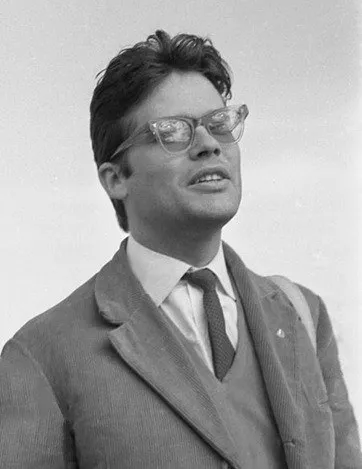 Photo: Cezary Langda, CC0, Wikimedia Commons
Zbigniew Cybulski is one of the greatest legends of Polish cinema. He was born on 3 November 1927 in Kniaże near Śniatyn (now in Ukraine) and died tragically on 8 January 1967 in Wrocław.
8. Zbigniew Cybulski
He began his acting career in the 1950s – making his screen debut in “Pokolenie” (A Generation, 1954) – and thanks to his unconventional performances he was sometimes called “the Polish James Dean”. Over his career he appeared in more than 30 films, including such well-known productions as “Popiół i diament” (Ashes and Diamonds, 1958), “Pociąg” (Night Train, 1959), “Jak być kochaną” (How to Be Loved, 1962) and “Rękopis znaleziony w Saragossie” (The Saragossa Manuscript, 1964).
His greatest fame came from the role of Maciek Chełmicki in Andrzej Wajda’s “Popiół i diament”. His style of acting won the acclaim of critics and audiences alike.
Zbigniew Cybulski was not only a film actor – together with Bogumił Kobiela he co-founded the Gdańsk student theatre Bim-Bom, he performed at Teatr Wybrzeże and at Teatr Ateneum in Warsaw, and he co-wrote the screenplay of “Do widzenia, do jutra” (See You Tomorrow, 1960). Since 1969 an award bearing his name has been presented to young actors.
His life was cut short by a tragic accident at Wrocław Główny station: trying to jump onto a departing train, he fell between the carriage and the platform. Although he died at only 39, his artistic legacy and his influence on Polish cinema are immeasurable and form an important part of Polish culture.
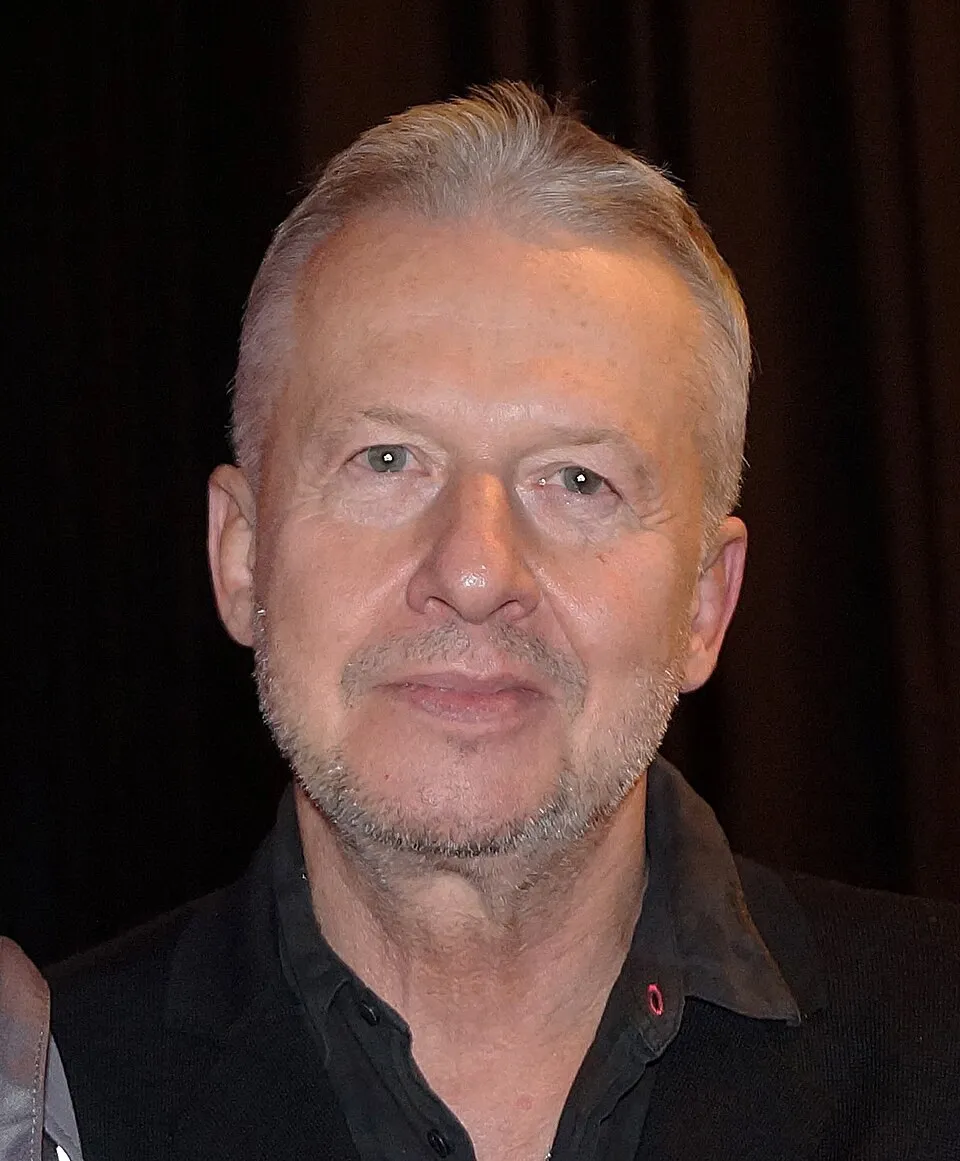 Photo: Fryta 73 from Strzegom (Wikimedia Commons account: Fryta73), CC BY-SA 2.0, Wikimedia Commons
Bogusław Linda is a Polish film, stage and television actor, born on 27 June 1952 in Toruń.
7. Bogusław Linda
He began his acting career in the mid-1970s and won recognition in the early 1980s with roles in “Gorączka” (Fever, 1980), Krzysztof Kieślowski’s “Przypadek” (Blind Chance, 1981) and Andrzej Wajda’s “Człowiek z żelaza” (Man of Iron, 1981). He later played many significant roles in films such as “Danton” (1982), “Psy” (Pigs, 1992), “Tato” (Daddy, 1995), “Pan Tadeusz” (Pan Tadeusz: The Last Foray in Lithuania, 1999) and “Powidoki” (Afterimage, 2016).
Bogusław Linda is also known for his stage work – he performed, among others, at Stary Teatr in Kraków, on Wrocław stages and at Teatr Studio in Warsaw.
During his career he has received many awards and distinctions, including four Best Leading Actor awards at the Polish Feature Film Festival in Gdynia (1987, 1988, 1992 and 1995) and the Zbigniew Cybulski Special Award (2009). Bogusław Linda is also a director (“Seszele”, “Sezon na leszcza”, “Jasne błękitne okna”) and a co-founder of the Warsaw Film School.
His acting talent, distinctive looks and voice have made him one of the most recognisable actors in Poland.
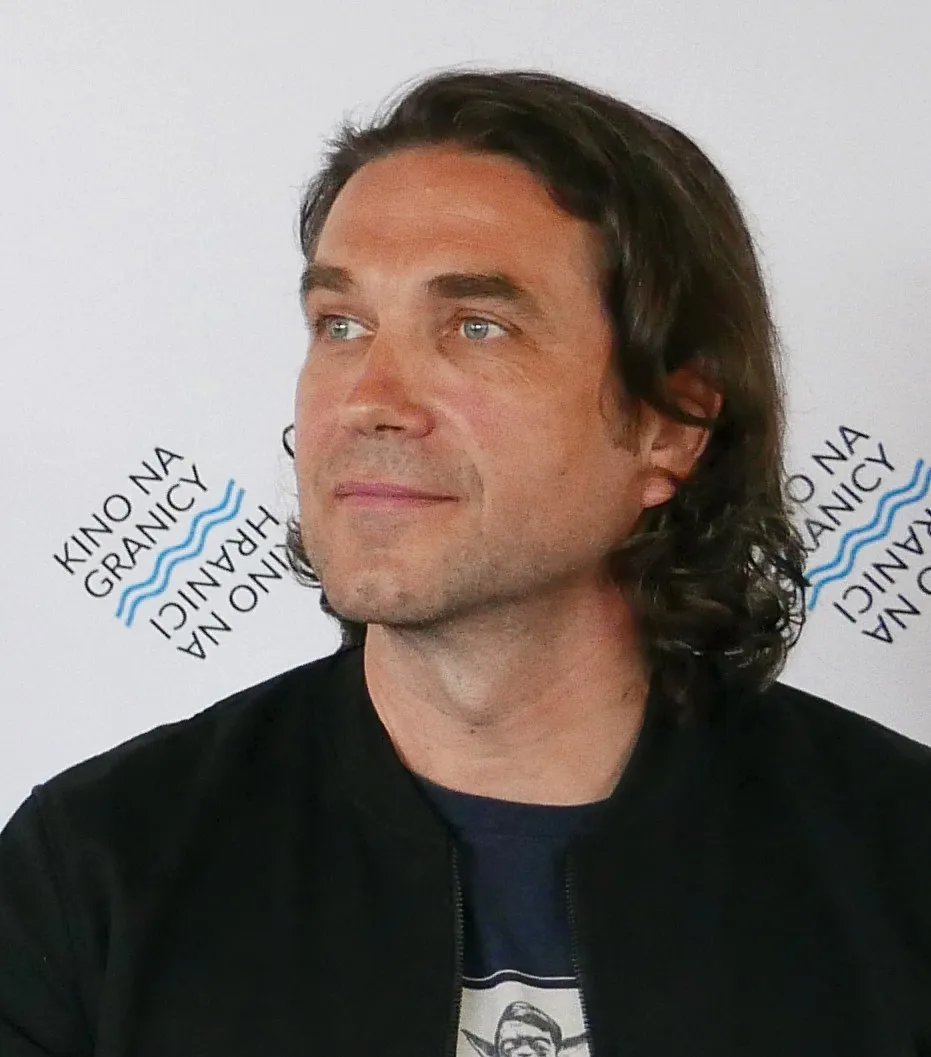 Photo: Jacek Proszyk, CC BY-SA 4.0, Wikimedia Commons
Marcin Dorociński is a Polish film, stage and television actor, born on 22 June 1973 in Milanówek.
6. Marcin Dorociński
He began his acting career in the 1990s and later appeared in many significant films, such as “Rewers” (The Reverse, 2009), “Róża” (Rose, 2011), “Obława” (Manhunt, 2012) and “Jack Strong” (2014). His role in “Róża” earned him critical acclaim and the Best Actor award at the Gdynia Film Festival.
Marcin Dorociński has also been active in the theatre: after graduating from the Theatre Academy in Warsaw (1997) he performed at Teatr Dramatyczny in Warsaw, and in 2011 he joined Teatr Ateneum.
On television he became popular thanks to his role in the series “Pitbull” (2005–2008), in which he played police officer Sławomir Desperski, “Despero”, while audiences around the world got to know him as Borgov in the series “The Queen’s Gambit” (2020). During his career he has received many awards, including the Zbigniew Cybulski Award (2005), the Best Supporting Actor award at the Polish Feature Film Festival in Gdynia for “Rewers” (2009) and the Polityka Passport.
Marcin Dorociński is considered one of the most talented actors of his generation and one of the most recognisable actors in Poland.
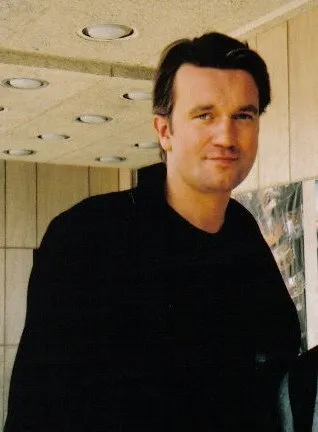 Photo: Sławek, CC BY-SA 2.0, Wikimedia Commons
Tomasz Kot is a Polish film, stage and television actor, born on 21 April 1977 in Legnica.
5. Tomasz Kot
He began his acting career on stage – first at the theatre in his home town of Legnica and, after studying at the State Higher School of Theatre (PWST) in Kraków, at Teatr Bagatela in Kraków. He made his film debut in 2005 as Ryszard Riedel in “Skazany na bluesa” (Destined for Blues), and later played many significant roles, among others in “Bogowie” (Gods, 2014) and “Zimna wojna” (Cold War, 2018).
His role as Zbigniew Religa in Łukasz Palkowski’s “Bogowie” earned him the Best Leading Actor award at the Gdynia festival and an Eagle – the most important film award in Poland. For his role in Paweł Pawlikowski’s “Zimna wojna”, Tomasz Kot was nominated for the European Film Award for Best Actor.
Tomasz Kot is also known for his television roles, such as Maks Skalski in the series “Niania” (2005–2009), and for appearances in popular productions such as “Na dobre i na złe” and “Camera Café”.
During his acting career he has received many awards and distinctions, including the award for an acting debut at the Gdynia festival (2005) and the Audience Award of the Zbigniew Cybulski Award (2006).
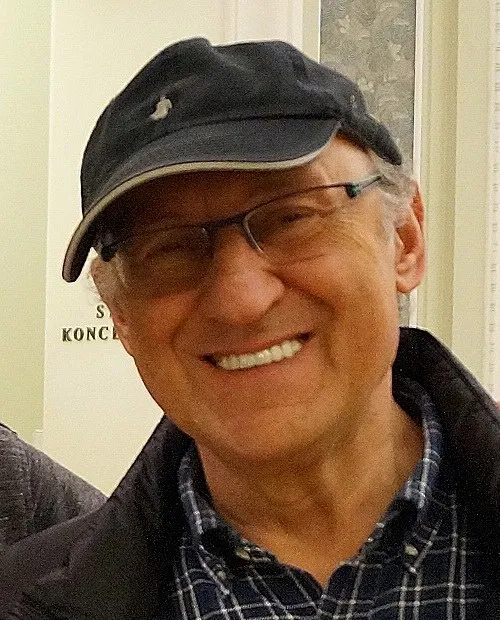 Photo: Fryta 73 from Strzegom (Wikimedia Commons account: Fryta73), CC BY-SA 2.0, Wikimedia Commons
Piotr Fronczewski is a well-known Polish film, stage and television actor, born on 8 June 1946 in Łódź.
4. Piotr Fronczewski
He made his screen debut as a child in “Wolne miasto” (Free City, 1958), and after graduating from the State Higher School of Theatre (PWST) in Warsaw in 1968 he performed at the capital’s theatres, including Teatr Narodowy, Teatr Współczesny, Teatr Dramatyczny, Teatr Studio and Teatr Ateneum. He has appeared in many popular films, such as “Ziemia obiecana” (The Promised Land, 1974), “Hallo Szpicbródka, czyli ostatni występ króla kasiarzy” (1978), “Akademia pana Kleksa” (Academy of Mr. Kleks, 1983) and “Konsul” (1989).
On television he became popular thanks to the role of Jacek Kwiatkowski in the series “Rodzina zastępcza” (1999–2009).
Piotr Fronczewski is also known as a dubbing actor – he voiced, among others, Diego in the “Ice Age” series, Mr. Incredible in “The Incredibles” and Captain Hook in “Peter Pan” (2003).
During his career he has received many awards and distinctions, including the Golden Duck, Wiktor Awards, the Gold Medal for Merit to Culture – Gloria Artis (2013) and the Order of the Smile (2015).
Piotr Fronczewski has also left his mark on the history of Polish pop music: as Franek Kimono he recorded the album “Franek Kimono” (1984).
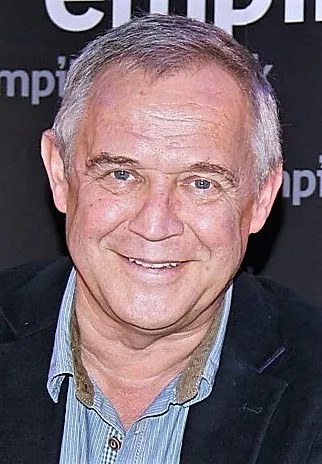 Photo: Sławek, CC BY-SA 2.0, Wikimedia Commons
Marek Kondrat is a Polish film, stage and television actor, born on 18 October 1950 in Kraków.
3. Marek Kondrat
He began his adult acting career in the early 1970s: after graduating from the State Higher School of Theatre (PWST) in Warsaw (1972) he performed at Teatr Śląski in Katowice, and then at Warsaw theatres, including Teatr Dramatyczny and Teatr Ateneum.
He made his film debut as a child in “Historia żółtej ciżemki” (1961), and later played many significant roles in productions such as “Zaklęte rewiry” (Hotel Pacific, 1975), “C.K. Dezerterzy” (1985), “Psy” (Pigs, 1992), “Pułkownik Kwiatkowski” (Colonel Kwiatkowski, 1995) and “Dzień świra” (Day of the Wacko, 2002).
Marek Kondrat is also known for his television work – above all for the role of Inspector Olgierd Halski in the series “Ekstradycja” (1995–1998).
During his acting career he has won many awards, including the Zbigniew Cybulski Award (1979), two Best Leading Actor awards at the Gdynia festival – for “Pułkownik Kwiatkowski” (1995) and “Dzień świra” (2002) – and an Eagle for his role in “Dzień świra”.
In 2007 Marek Kondrat announced the end of his acting career and went into the wine trade. He returned to the screen in 2026 as Ignacy Rzecki in the new adaptation of “Lalka” (The Doll).
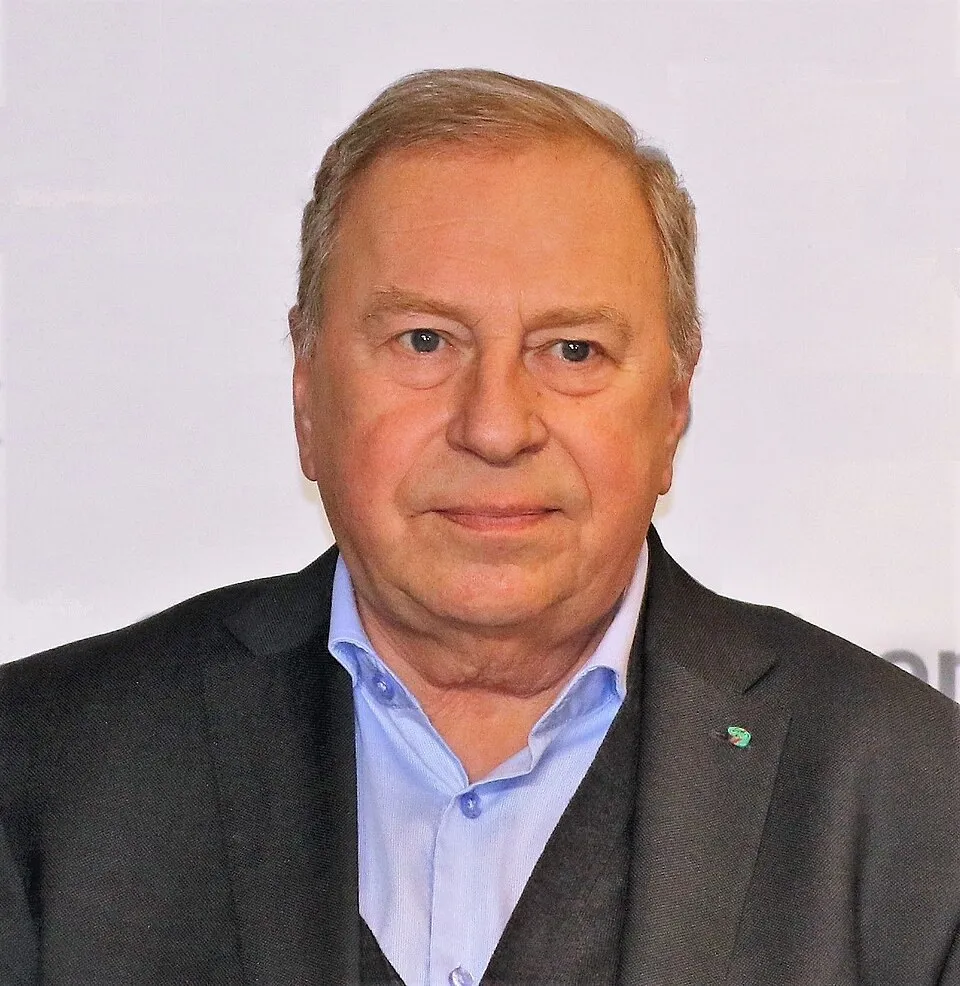 Photo: Grzegorz Gołębiowski, CC BY-SA 4.0, Wikimedia Commons
Jerzy Stuhr was one of the best-known and most highly regarded figures of Polish cinema and theatre. He was born on 18 April 1947 in Kraków and died there on 9 July 2024.
2. Jerzy Stuhr
He began his acting career in the 1970s and went on to play many significant roles in films such as “Wodzirej” (Top Dog, 1977), “Amator” (Camera Buff, 1979), “Seksmisja” (Sexmission, 1983), “Kingsajz” (King Size, 1987) and “Kiler” (Killer, 1997). He was known for his distinctive sense of humour and his ability to create a wide variety of characters, in comedies and dramas alike.
Jerzy Stuhr was also active in the theatre, where he played many significant roles, among others at Stary Teatr in Kraków and in Teatr Telewizji (Television Theatre); he also served twice as rector of the State Higher School of Theatre (PWST) in Kraków. He also worked as a director – he made his debut with “Spis cudzołożnic” (List of Adulteresses, 1994), and his “Historie miłosne” (Love Stories, 1997) won the Golden Lions at the Gdynia festival.
During his career he received many awards and distinctions, including the Best Leading Actor award at the Polish Feature Film Festival (1979), the Commander’s Cross of the Order of Polonia Restituta, a Lifetime Achievement Eagle (2018) and the Aleksander Zelwerowicz Award (2019). Jerzy Stuhr is regarded as one of the greatest actors in the history of Polish cinema and theatre.
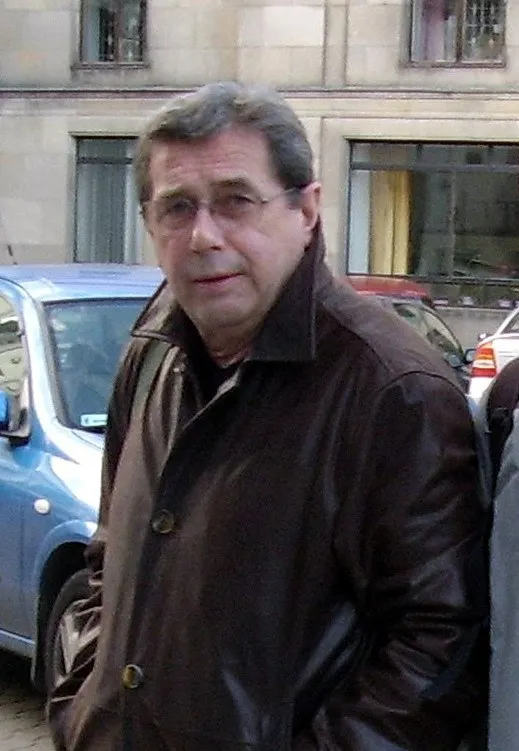 Photo: Sławek, CC BY-SA 2.0, Wikimedia Commons
Janusz Gajos is a Polish film, stage and television actor, born on 23 September 1939 in Dąbrowa Górnicza.
1. Janusz Gajos
He began his acting career in the 1960s – making his film debut in “Panienka z okienka” (1964), and a year later his stage debut at Teatr im. Jaracza in Łódź – and later played many significant roles in films such as “Przesłuchanie” (Interrogation, 1982), “Ucieczka z kina »Wolność«” (Escape from the ‘Liberty’ Cinema, 1990), “Psy” (Pigs, 1992), “Żółty szalik” (The Yellow Scarf, 2000), “Body/Ciało” (Body, 2015) and “Kler” (Clergy, 2018). His distinctive acting style and charisma have won him many fans and the recognition of critics.
Janusz Gajos has also been active on television: huge popularity came with the role of Janek Kos in the series “Czterej pancerni i pies” (Four Tank-Men and a Dog, 1966–1970), and he later played, among others, Jan Winnicki in the series “Alternatywy 4”.
During his acting career he has won many awards, including four Best Leading Actor awards at the Polish Feature Film Festival – most recently for his role in “Body/Ciało” (2015) – as well as a Lifetime Achievement Eagle (2016) and the Commander’s Cross with Star of the Order of Polonia Restituta (2011).
Janusz Gajos has also taught: since 2003 he has run acting classes at the Łódź Film School, which awarded him an honorary doctorate in 2016. His acting talent and contribution to Polish culture make him one of the most important actors in the history of Polish cinema.
Photos: Gustaw Holoubek – Edward Hartwig, CC BY-SA 4.0, Wikimedia Commons Gustaw Holoubek was a Polish stage and film actor, born on 21 April 1923 in Kraków; he died on 6 March 2008 in Warsaw.; Andrzej Chyra – Daniel Kruczynski, CC BY-SA 2.0, Wikimedia Commons Andrzej Chyra is a Polish film, stage and television actor, born on 27 August 1964 in Gryfów Śląski.; Zbigniew Cybulski – Cezary Langda, CC0, Wikimedia Commons Zbigniew Cybulski is one of the greatest legends of Polish cinema. He was born on 3 November 1927 in Kniaże near Śniatyn (now in Ukraine) and died tragically on 8 January 1967 in Wrocław.; Bogusław Linda – Fryta 73 from Strzegom (Wikimedia Commons account: Fryta73), CC BY-SA 2.0, Wikimedia Commons Bogusław Linda is a Polish film, stage and television actor, born on 27 June 1952 in Toruń.; Marcin Dorociński – Jacek Proszyk, CC BY-SA 4.0, Wikimedia Commons Marcin Dorociński is a Polish film, stage and television actor, born on 22 June 1973 in Milanówek.; Tomasz Kot – Sławek, CC BY-SA 2.0, Wikimedia Commons Tomasz Kot is a Polish film, stage and television actor, born on 21 April 1977 in Legnica.; Piotr Fronczewski – Fryta 73 from Strzegom (Wikimedia Commons account: Fryta73), CC BY-SA 2.0, Wikimedia Commons Piotr Fronczewski is a well-known Polish film, stage and television actor, born on 8 June 1946 in Łódź.; Marek Kondrat – Sławek, CC BY-SA 2.0, Wikimedia Commons Marek Kondrat is a Polish film, stage and television actor, born on 18 October 1950 in Kraków.; Jerzy Stuhr – Grzegorz Gołębiowski, CC BY-SA 4.0, Wikimedia Commons Jerzy Stuhr was one of the best-known and most highly regarded figures of Polish cinema and theatre. He was born on 18 April 1947 in Kraków and died there on 9 July 2024.; Janusz Gajos – Sławek, CC BY-SA 2.0, Wikimedia Commons Janusz Gajos is a Polish film, stage and television actor, born on 23 September 1939 in Dąbrowa Górnicza..