Top 10 Polish actresses
The ten greatest Polish film actresses. Their most important roles, awards and influence on the history of Polish cinema from the communist era to today.

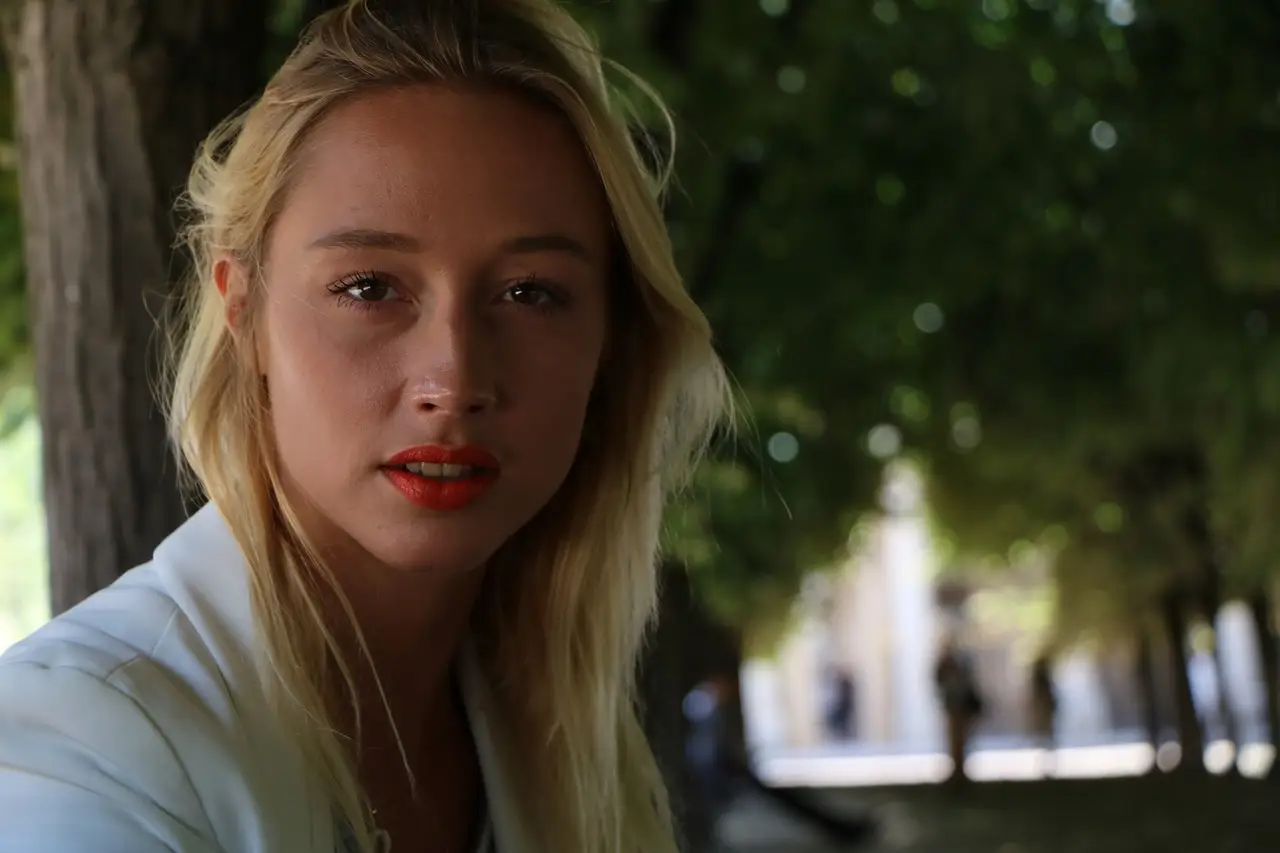
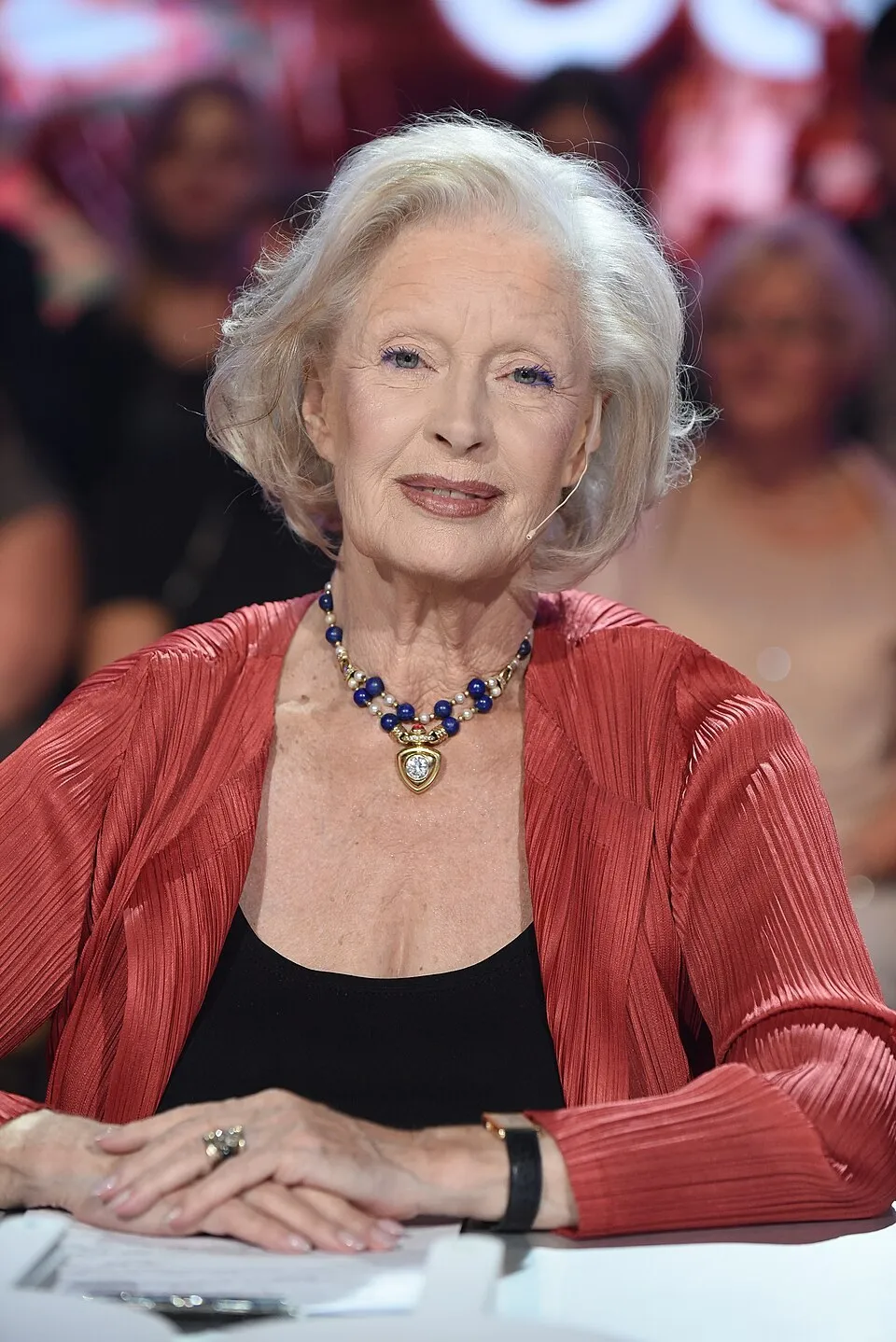 Photo: Cezary Piwowarski, CC BY-SA 4.0, Wikimedia Commons
She began her acting career in 1956, making her debut as Klara in the film “Zemsta”. In the following years she played many roles in films such as “Wspólny pokój (Common Room)” (1959), “Popioły (The Ashes)” (1965), “Lalka (The Doll)” (1968) and “Wszystko na sprzedaż (Everything for Sale)” (1968). She became famous as one of the best-known Polish actresses of the 1960s and 1970s.
10. Beata Tyszkiewicz
Beata Tyszkiewicz is known above all for her film roles. The most important include Izabela Łęcka in Wojciech Jerzy Has’s “Lalka (The Doll)”, Maria Walewska in “Marysia i Napoleon (Marysia and Napoleon)” (1966) and Stefania Holszańska in “Noce i dnie (Nights and Days)” (1975); she also appeared in the comedy “Seksmisja (Sexmission)” (1983).
Over the course of her career she received many awards and decorations. In 1997 she was awarded the Commander’s Cross with Star of the Order of Polonia Restituta and the French Legion of Honour, and in 2008 – the Gold Medal for Merit to Culture – Gloria Artis.
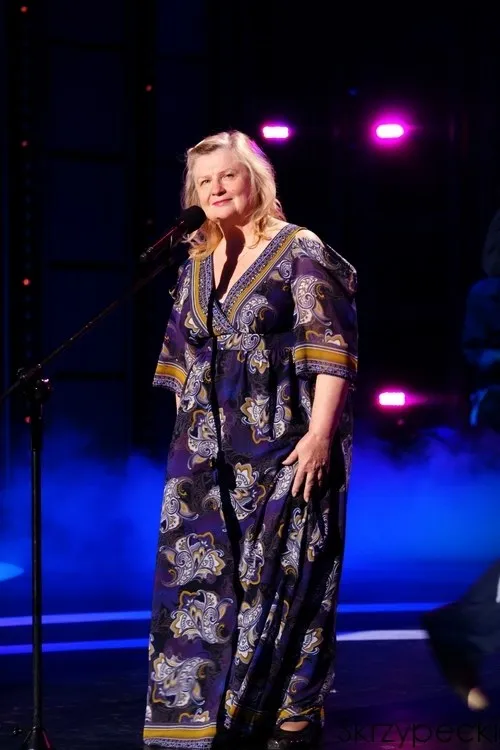 Photo: Łukasz Skrzypecki, CC BY 2.0, Wikimedia Commons
She began her acting career on stage, where she played many significant roles, including at the Współczesny, Nowy, Studio and Rozmaitości theatres in Warsaw. She made her film debut in 1970 as Nina in Andrzej Wajda’s “Krajobraz po bitwie (Landscape After the Battle)”, and later appeared in productions such as “Noce i dnie (Nights and Days)”, “Panny z Wilka (The Maids of Wilko)”, “Alternatywy 4” and “Zmiennicy”.
9. Stanisława Celińska
Stanisława Celińska was also known as a singer – in 2019 she received a Fryderyk award for the album “Malinowa…”. Her artistic achievements brought her many awards, including the Aleksander Zelwerowicz Award (2002) and two Eagles (Polish Film Awards) for supporting roles in “Pieniądze to nie wszystko (Money Is Not Everything)” and “Joanna”.
In 2014 she was awarded the Officer’s Cross of the Order of Polonia Restituta, and in 2026 – posthumously – the Commander’s Cross with Star of the same order. She died on 12 May 2026 in Warsaw.
 Photo: autor nieznany, CC BY-SA 3.0, Wikimedia Commons
She began her acting career on stage, where she played many significant roles, including at the Teatr Współczesny in Szczecin, Teatr Nowy in Poznań, Teatr Dramatyczny in Warsaw and the National Theatre. She made her big-screen debut in 1995 in the film “Prowokator”, and later appeared in productions such as “Cudze szczęście”, “Chopin. Pragnienie miłości (Chopin: Desire for Love)”, “Nigdy w życiu! (Never Ever!)” and “Katyń”.
8. Danuta Stenka
Danuta Stenka is also known for her appearances in television series, including “Boża podszewka”, “Lekarze” and “Diagnoza”. Her artistic achievements brought her many awards, including the Aleksander Zelwerowicz Award, the Polityka Passport and two Eagles – for her leading role in “Chopin. Pragnienie miłości (Chopin: Desire for Love)” and her supporting role in “Katyń”.
Danuta Stenka has also been honoured with decorations for services to culture: the Silver (2011) and Gold (2025) Medals for Merit to Culture – Gloria Artis, and the Knight’s Cross of the Order of Polonia Restituta.
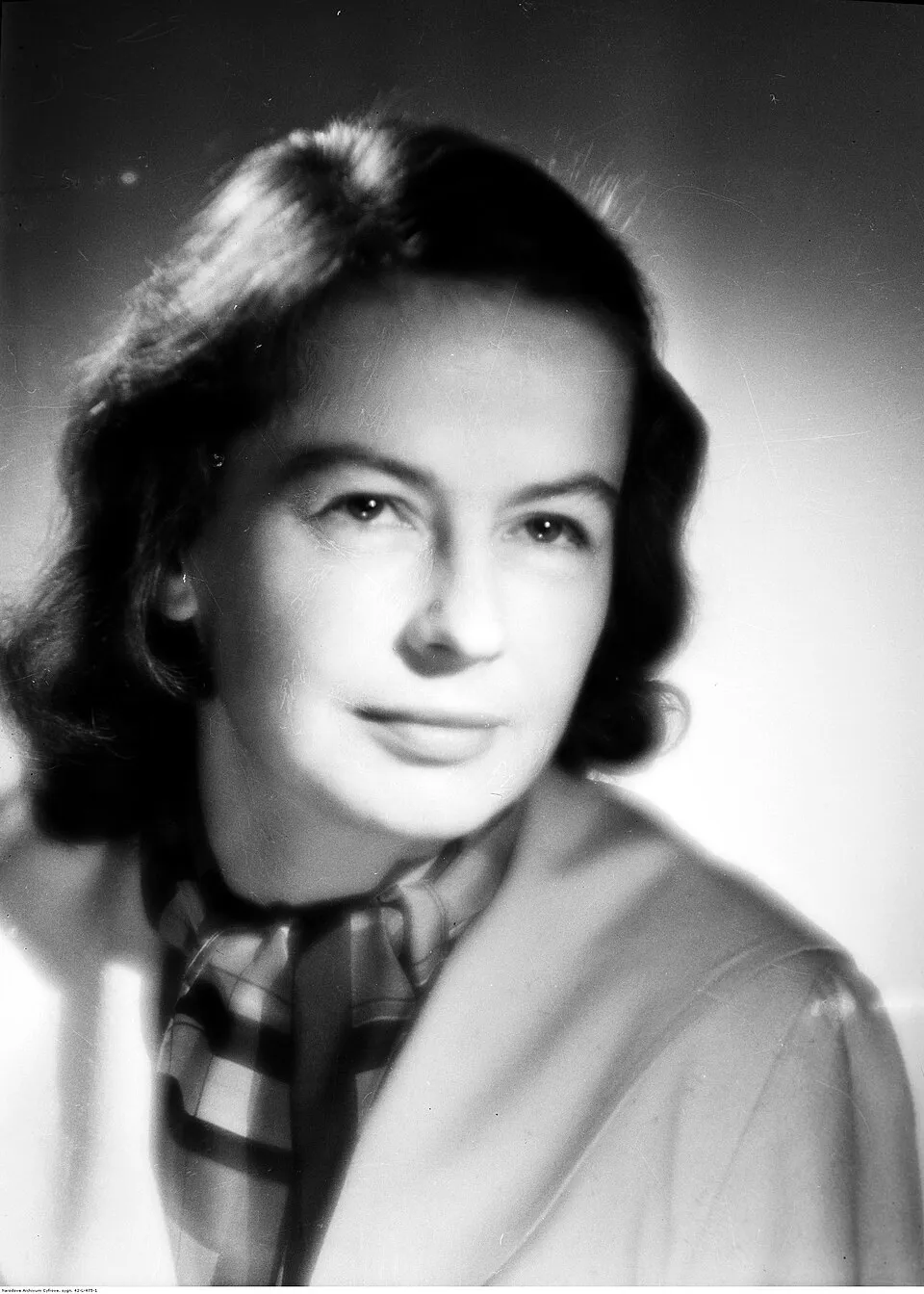 Photo: Edward Hartwig, CC BY-SA 4.0, Wikimedia Commons
Danuta Szaflarska was a Polish film and stage actress, born on 6 February 1915 in Kosarzyska near Piwniczna; she died on 19 February 2017 in Warsaw.
7. Danuta Szaflarska
She made her stage debut in September 1939 in Vilnius, after the outbreak of the Second World War. In 1944 she served as a liaison officer in the Warsaw Uprising. She made her screen debut in “Zakazane piosenki (Forbidden Songs)” (1946), and later appeared in many films, such as “Skarb” (1948), “Dolina Issy (The Issa Valley)” (1982), “Pożegnanie z Marią (Farewell to Maria)” (1993), “Pora umierać (Time to Die)” (2007) and “Pokłosie (Aftermath)” (2012).
For her role in “Pora umierać (Time to Die)” she received the award for Best Actress at the Gdynia festival (2007) and an Eagle (2008), and in 2013 – the Lifetime Achievement Eagle. In 2015 she was awarded the Grand Cross of the Order of Polonia Restituta.
Danuta Szaflarska was regarded as one of the most outstanding actresses in the history of Polish cinema and theatre. She was famous for the naturalness, authenticity and warmth she brought to her roles.
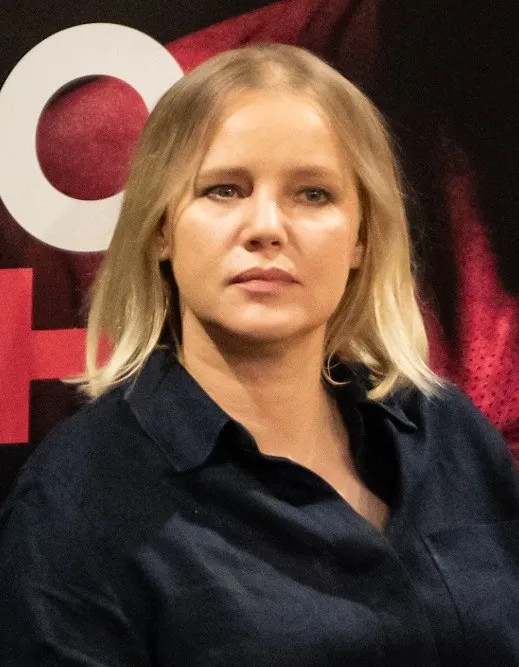 Photo: Bella / Tofifest International Film Festival, CC BY-SA 4.0, Wikimedia Commons
She began her acting career in Kraków, where she graduated from drama school in 2007 and performed at the Stary Teatr. She made her big-screen debut in 2007 in the film “Środa, czwartek rano”, and recognition came with her role in “Sponsoring (Elles)” (2011), for which she received the award for Best Supporting Actress at the Gdynia festival (2012) and an Eagle (2013).
6. Joanna Kulig
In the following years she appeared in many films, including “Ida” (2013), “Disco polo” (2015), “Kler (Clergy)” (2018) and Paweł Pawlikowski’s “Zimna wojna (Cold War)” (2018). For the role of Zula in “Zimna wojna (Cold War)” she was honoured with the European Film Award for Best Actress (2018) and the Eagle for Best Actress (2019).
Joanna Kulig is also known for her vocal skills – she completed a specialisation in vocal and stage performance, and she played singers in, among others, “Zimna wojna (Cold War)” and the series “The Eddy” (2020). She has also performed at the Teatr Ateneum in Warsaw.
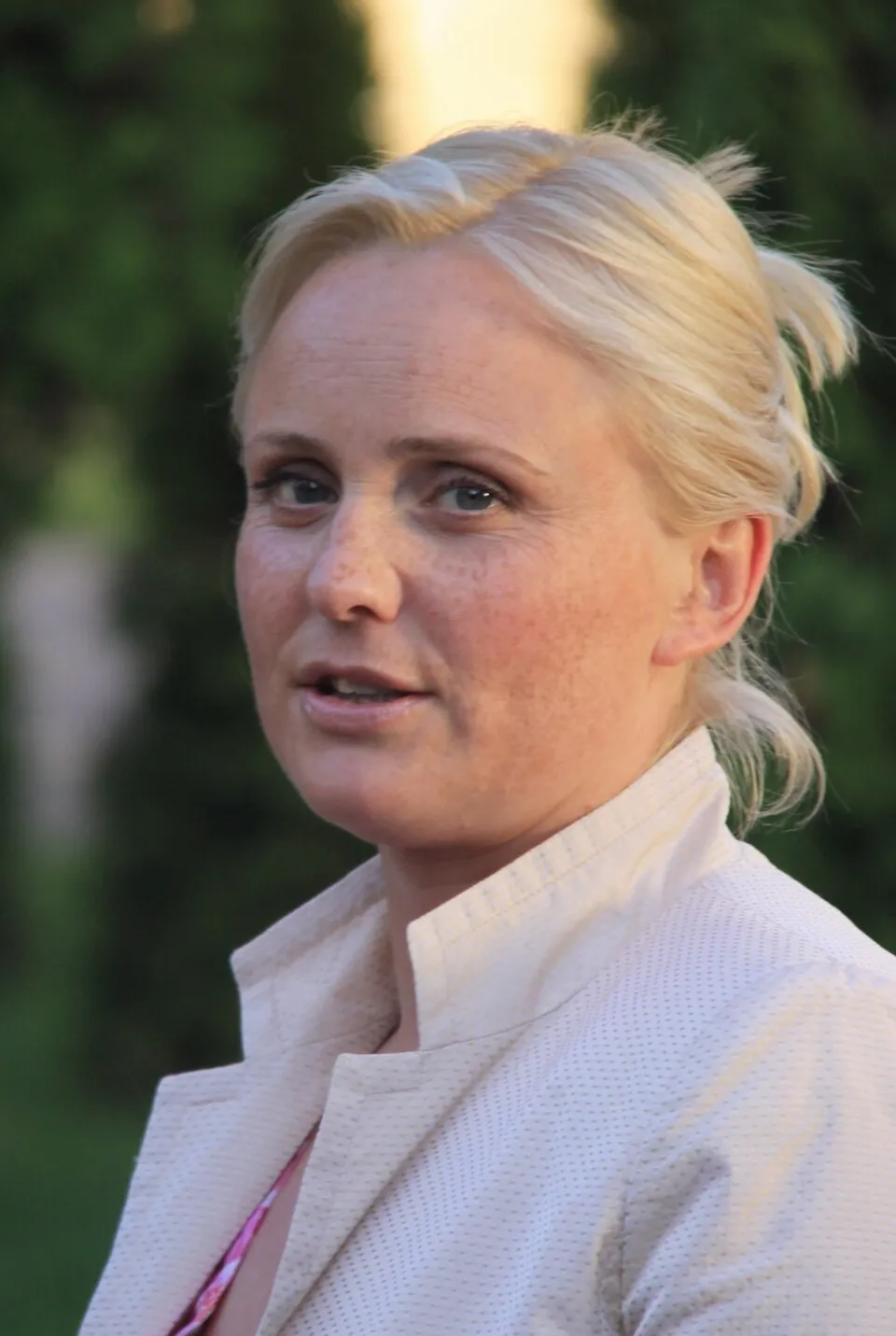 Photo: Jarosław Kruk, CC BY-SA 4.0, Wikimedia Commons
Kinga Preis is a Polish film, stage and television actress, born on 31 August 1971 in Wrocław.
5. Kinga Preis
She began her acting career in the 1990s, and her first award at the Gdynia festival came for her role in “Poniedziałek (Monday)” (1998). She later played many film roles, in titles such as “Cisza (Silence)” (2001), “Komornik (The Collector)” (2005), “Dom zły (The Dark House)” (2009), “Róża (Rose)” (2011) and “W ciemności (In Darkness)” (2011). Since 2008 she has played Natalia in the series “Ojciec Mateusz”.
Kinga Preis is also known for her stage work – from 1995 to 2012 she was a member of the company of the Teatr Polski in Wrocław, where she played, among others, the title role in “Kasia z Heilbronnu” (1995).
Over the course of her career she has received many awards, including four acting awards at the Gdynia Polish Film Festival (for her roles in “Poniedziałek (Monday)”, “Cisza (Silence)”, “Komornik (The Collector)” and “Święto ognia (Feast of Fire)”), Eagles – including for “Cisza (Silence)” and “Wtorek (Tuesday)” – and the Zbyszek Cybulski Award (2006). Kinga Preis is also an ambassador of the “Wrocławskie Hospicjum dla Dzieci” (Wrocław Children’s Hospice) Foundation.
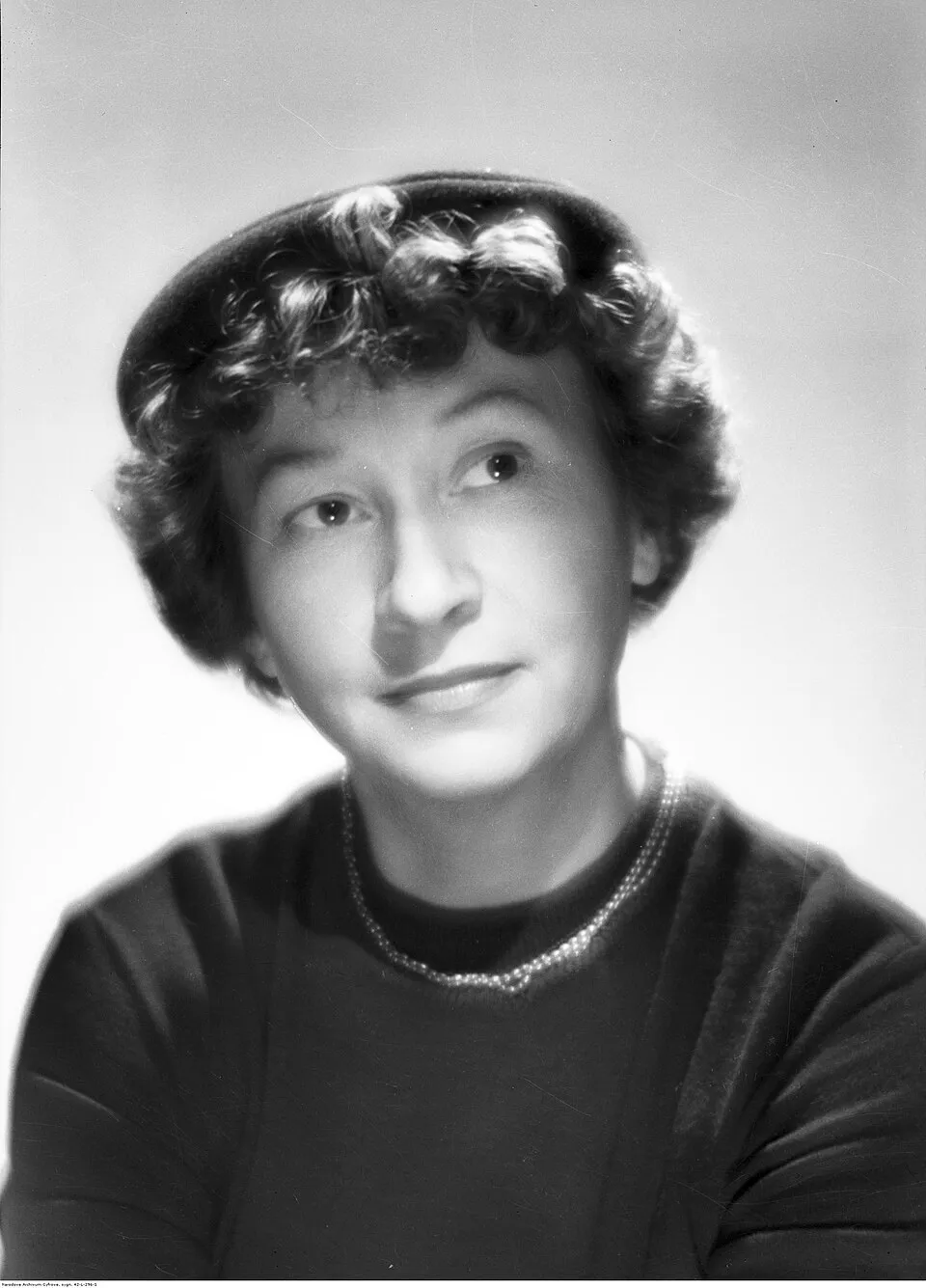 Photo: Edward Hartwig, CC BY-SA 4.0, Wikimedia Commons
Irena Kwiatkowska was a legendary Polish stage, film and television actress, born on 17 September 1912 in Warsaw; she died on 3 March 2011 at the Actors’ Home in Skolimów (Konstancin-Jeziorna) near Warsaw.
4. Irena Kwiatkowska
She began her acting career in the 1930s on the stage. During the war she was a soldier of the Home Army and a liaison officer in the Warsaw Uprising. After the war she returned to the stage and became one of the most recognisable actresses in Poland, known among other things for the Dudek cabaret and Kabaret Starszych Panów. She first appeared on screen in 1945, and later played in films including “Hallo Szpicbródka, czyli ostatni występ króla kasiarzy” (1978) and “Rozmowy kontrolowane (Calls Controlled)” (1991).
Irena Kwiatkowska was also active in television, appearing in popular series such as “Wojna domowa”, “Czterdziestolatek” (as the Working Woman) and “Zmiennicy”.
During her acting career she won many awards and distinctions, including the State Award, 2nd class (1953), the Order of the Smile (1998), the Gold Medal for Merit to Culture – Gloria Artis (2005) and the Commander’s Cross with Star of the Order of Polonia Restituta (2009).
For many years Irena Kwiatkowska also performed on Polish Radio. Her career and persona are among the more important elements of Polish culture and cultural history.
Behind a role that stays in the memory is the work of dozens of people. See how we put together film crews for a specific project.
3. Anna Dymna
Anna Dymna is a Polish film, stage and television actress, born on 20 July 1951 in Legnica.
She began her acting career in the 1970s, gaining popularity thanks to roles in films such as “Nie ma mocnych (Big Deal)” (1974), “Trędowata (The Leper)” (1976), “Kochaj albo rzuć (Love or Leave)” (1977) and “Znachor (The Quack)” (1981). She made her stage debut at the Juliusz Słowacki Theatre in Kraków, and since 1973 she has been associated with the Stary Teatr in Kraków.
Anna Dymna is also involved in charitable and social work. In 2003 she founded the “Mimo Wszystko” Foundation in Kraków, which helps people with disabilities, above all intellectual disabilities. In 2024 she was made an Honorary Citizen of the City of Kraków.
During her acting career she has received many awards, including the Best Actress award at the Gdynia Polish Film Festival for her role in “Tylko strach (Nothing But Fear)” (1993), and in 2014 she was awarded the Commander’s Cross of the Order of Polonia Restituta. Anna Dymna is one of the most respected and admired actresses in Poland.
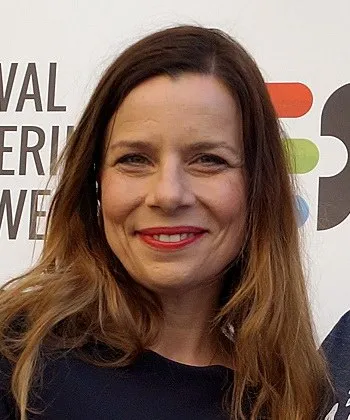 Photo: Fryta 73, CC BY-SA 2.0, Wikimedia Commons
Agata Kulesza is a Polish film, stage and television actress, born on 27 September 1971 in Szczecin.
2. Agata Kulesza
She began her acting career in the 1990s, and real fame came with her role in “Ida” (2013), directed by Paweł Pawlikowski, for which she received many awards, including the Los Angeles Film Critics Association Award, as well as a European Film Award nomination.
Agata Kulesza has played many significant roles in films such as “Róża (Rose)” (2011), “Sala samobójców (Suicide Room)” (2011), “Moje córki krowy (These Daughters of Mine)” (2015), “Zimna wojna (Cold War)” (2018) and “25 lat niewinności. Sprawa Tomka Komendy (25 Years of Innocence)” (2020). On stage she performed at the Teatr Dramatyczny in Warsaw (1994–2011), and since 2011 she has been a member of the Teatr Ateneum company.
She is also known for numerous television roles, including in the series “Rodzinka.pl (Family.pl)”, “Krew z krwi”, “Pułapka (The Trap)” and “Skazana (The Convict)”.
Over the course of her career she has received many awards, including the award for Best Actress at the Gdynia Polish Film Festival for her role in “Ida” (2013), four Eagles – for her roles in “Róża (Rose)”, “Ida”, “Jestem mordercą (I’m a Killer)” and “25 lat niewinności. Sprawa Tomka Komendy (25 Years of Innocence)” – and the Knight’s Cross of the Order of Polonia Restituta (2014). Agata Kulesza is regarded as one of the best actresses of her generation in Poland.
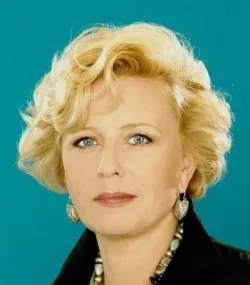 Photo: autor nieznany, CC BY-SA 3.0, Wikimedia Commons
Krystyna Janda is a Polish stage, film and television actress, born on 18 December 1952 in Starachowice.
1. Krystyna Janda
She began her acting career in the 1970s on the stage of the Teatr Ateneum in Warsaw, with which she was associated until 1987; from 1987 to 2005 she performed at the Teatr Powszechny in Warsaw. She made her big-screen debut in the lead role of Andrzej Wajda’s “Człowiek z marmuru (Man of Marble)” (1976), and later appeared in many films, such as “Dyrygent (The Conductor)” (1979), “Człowiek z żelaza (Man of Iron)” (1981), “Przesłuchanie (Interrogation)” (1982), “Kochankowie mojej mamy” (1985) and “Tatarak (Sweet Rush)” (2009).
Krystyna Janda is also known for her performances in Television Theatre (Teatr Telewizji), where she appeared in many productions – the first was Chekhov’s “Three Sisters”, in which she played Masha.
Over the course of her career she has won many awards and distinctions, including the Best Actress award at the Cannes festival (1990) for her role in “Przesłuchanie (Interrogation)”, the Silver Shell for Best Actress at the San Sebastián festival (1992) for her role in “Zwolnieni z życia (Dismissed from Life)” and an acting award at the Sundance festival (2019) for “Słodki koniec dnia”.
Krystyna Janda also runs her own stages. She is the co-founder and president of the Krystyna Janda Foundation for Culture, which opened the Teatr Polonia (2005) and Och-Teatr (2010) in Warsaw.
Photos: Beata Tyszkiewicz – Cezary Piwowarski, CC BY-SA 4.0, Wikimedia Commons She began her acting career in 1956, making her debut as Klara in the film “Zemsta”. In the following years she played many roles in films such as “Wspólny pokój (Common Room)” (1959), “Popioły (The Ashes)” (1965), “Lalka (The Doll)” (1968) and “Wszystko na sprzedaż (Everything for Sale)” (1968). She became famous as one of the best-known Polish actresses of the 1960s and 1970s.; Stanisława Celińska – Łukasz Skrzypecki, CC BY 2.0, Wikimedia Commons She began her acting career on stage, where she played many significant roles, including at the Współczesny, Nowy, Studio and Rozmaitości theatres in Warsaw. She made her film debut in 1970 as Nina in Andrzej Wajda’s “Krajobraz po bitwie (Landscape After the Battle)”, and later appeared in productions such as “Noce i dnie (Nights and Days)”, “Panny z Wilka (The Maids of Wilko)”, “Alternatywy 4” and “Zmiennicy”.; Danuta Stenka – autor nieznany, CC BY-SA 3.0, Wikimedia Commons She began her acting career on stage, where she played many significant roles, including at the Teatr Współczesny in Szczecin, Teatr Nowy in Poznań, Teatr Dramatyczny in Warsaw and the National Theatre. She made her big-screen debut in 1995 in the film “Prowokator”, and later appeared in productions such as “Cudze szczęście”, “Chopin. Pragnienie miłości (Chopin: Desire for Love)”, “Nigdy w życiu! (Never Ever!)” and “Katyń”.; Danuta Szaflarska – Edward Hartwig, CC BY-SA 4.0, Wikimedia Commons Danuta Szaflarska was a Polish film and stage actress, born on 6 February 1915 in Kosarzyska near Piwniczna; she died on 19 February 2017 in Warsaw.; Joanna Kulig – Bella / Tofifest International Film Festival, CC BY-SA 4.0, Wikimedia Commons She began her acting career in Kraków, where she graduated from drama school in 2007 and performed at the Stary Teatr. She made her big-screen debut in 2007 in the film “Środa, czwartek rano”, and recognition came with her role in “Sponsoring (Elles)” (2011), for which she received the award for Best Supporting Actress at the Gdynia festival (2012) and an Eagle (2013).; Kinga Preis – Jarosław Kruk, CC BY-SA 4.0, Wikimedia Commons Kinga Preis is a Polish film, stage and television actress, born on 31 August 1971 in Wrocław.; Irena Kwiatkowska – Edward Hartwig, CC BY-SA 4.0, Wikimedia Commons Irena Kwiatkowska was a legendary Polish stage, film and television actress, born on 17 September 1912 in Warsaw; she died on 3 March 2011 at the Actors’ Home in Skolimów (Konstancin-Jeziorna) near Warsaw.; Agata Kulesza – Fryta 73, CC BY-SA 2.0, Wikimedia Commons Agata Kulesza is a Polish film, stage and television actress, born on 27 September 1971 in Szczecin.; Krystyna Janda – autor nieznany, CC BY-SA 3.0, Wikimedia Commons Krystyna Janda is a Polish stage, film and television actress, born on 18 December 1952 in Starachowice..