Top 10 Polish film composers of 2026
Polish film composers of 2026: an Eagle for Trzaska, a European Film Award for Hania Rani, Gdynia, “Ojczyzna” and “Lalka”.
2026 brought Polish film music a European Film Award for Hania Rani, as well as a third Eagle for Mikołaj Trzaska, the score for “Ojczyzna” (Fatherland), honoured in Cannes, and the music for “Lalka” (The Doll), which was seen by more than a million viewers in less than two weeks. The ranking reflects the situation as of November 2026.
How the ranking was compiled. This is an editorial ranking by Holly Łódź, not the result of a vote. We took into account the Polish Film Awards “Eagles” presented in 2026 (the “best music” category), the 51st Gdynia Polish Film Festival (the Golden Lions and the music award), the Fryderyk awards in the illustrative music category, the Polish Soundtrack of the Year competition at the Kraków Film Music Festival, international festivals (Cannes, the Berlinale, Venice, Karlovy Vary, the European Film Awards, the Oscars), the admissions figures of Polish films and premieres featuring each person’s music in 2026. We do not include awards that will be decided after the ranking’s publication. The 39th European Film Awards (for 2026) will be presented on 16 January 2027 in Athens – so we include only the nominations announced on 14 November 2026.
10. Bartosz Chajdecki
Bartosz Chajdecki composed the music for Łukasz Palkowski’s “Pojedynek” – a film that opened in cinemas on 27 February 2026 and in September competed in the main competition of the 51st Gdynia Polish Film Festival. It is a co-production with Ireland, Ukraine and Cyprus, built around the mass arrests of the Polish elite by the USSR in 1939 and the psychological duel between an imprisoned pianist and an NKVD agent. The cast includes Aidan Gillen, Bogusław Linda and Julia Pietrucha, and part of the shoot took place in the Orthodox church in Stare Oleszyce, used as the interiors of the NKVD camp in Kozielsk.
Chajdecki writes regularly for both cinema and television – from the Chyłka series to “Żmijowisko”. In 2025 he sat on the main competition jury of the Gdynia festival and received the MocArt RMF Classic award for the music for “Simona Kossak”. He is a recipient of the Grand Prix Komeda for the music for “Mistrz” (The Champion) and the Polish Soundtrack of the Year award for the series “Kruk. Szepty słychać po zmroku”.
9. Jerzy Rogiewicz
Jerzy Rogiewicz, a composer from Bydgoszcz, won the eighth edition of the Polish Soundtrack of the Year competition at the Kraków Film Music Festival on 13 May 2026. The award’s Academy recognised his music for the second season of the Netflix series “1670”, directed by Maciej Buchwald and Kordian Kądziela. Rogiewicz beat Mary Komasa and Antoni Komasa-Łazarkiewicz (“Franz Kafka”), Wojciech Urbański (“Ministranci”) and Piotr Szulc (“Trzy miłości”), among others; the award came with a statuette and PLN 15,000.
The same score was nominated for a 2026 Fryderyk award in the Album of the Year – Illustrative Music category. In 2026 Rogiewicz also received the Pola Negri Film Award of the Marshal of the Kujawsko-Pomorskie Voivodeship, presented during the Fonomo Music & Film Festival – the jury recognised in him a combination of compositional precision, sensitivity to the image and an improviser’s intuition. The Marshal’s award concerns his work as a whole, not a single film. “1670” is a Netflix comedy series about a noble family in the 17th-century Polish-Lithuanian Commonwealth.
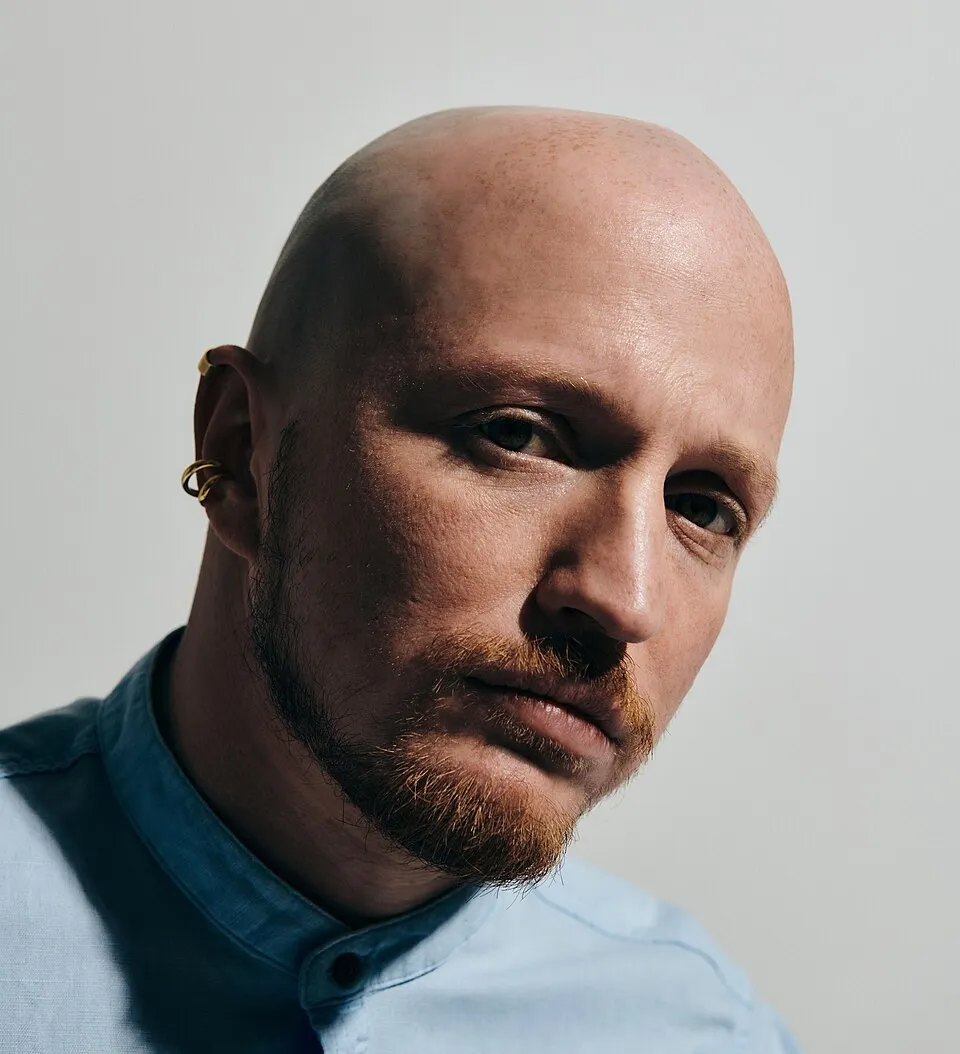 Photo: Adam Słaboń, CC BY-SA 4.0, Wikimedia Commons
8. Wojtek Urbański
In 2026 Wojtek Urbański was nominated for an Eagle for the music for Piotr Domalewski’s “Ministranci” (The Altar Boys). At the gala on 9 March 2026 the film won the Eagle for screenplay and the Audience Award, and on 26 February 2026 it arrived on Prime Video. The same score was among the eight nominees in the Polish Soundtrack of the Year competition at the Kraków Film Music Festival, decided on 13 May 2026.
“Ministranci” won the Golden Lions at the 50th Gdynia Polish Film Festival – by the end of 2025 around 400,000 viewers had seen the film in cinemas. Urbański is a composer, music producer and arranger, winner of the 2022 Fryderyk award for the album “4GET” by the band Rysy and the 2021 Polish Soundtrack of the Year award for the music for “Hiacynt” (Operation Hyacinth). He also wrote the music for the films “Orlęta. Grodno ’39” (Young Eagles) and “Raport Pileckiego”, and as music director he has prepared large televised and gala concerts.
 Photo: Starscream, CC BY-SA 3.0, Wikimedia Commons
7. Antoni Komasa-Łazarkiewicz
In 2026 Antoni Komasa-Łazarkiewicz received two nominations for the Eagle for best music: on his own for Maciej Sobieszczański’s “Brat” (Brother) and together with Mary Komasa for Agnieszka Holland’s “Franz Kafka” (Franz). At the gala on 9 March 2026 “Franz Kafka” won the Eagle for cinematography (Tomasz Naumiuk), and “Brat” was nominated in categories including best film and directing. The music for “Franz Kafka” was also one of the eight scores nominated in the Polish Soundtrack of the Year competition at the Kraków Film Music Festival.
Both nominations concerned films released in cinemas in autumn 2025: “Franz Kafka” was Poland’s Oscar submission, and “Brat” won the Ecumenical Jury Prize at the Warsaw Film Festival. Sobieszczański, the director of “Brat”, won the Golden Lions in Gdynia in September 2026 for his next film – “Przez ścianę” (Through the Wall). Komasa-Łazarkiewicz has worked with Agnieszka Holland for years – on “W ciemności” (In Darkness), “Pokot” (Spoor) and the miniseries “Gorejący krzew” (Burning Bush) – and in 2018 he won the music award in Gdynia for “Wilkołak” (Werewolf) and “Kamerdyner” (The Butler).
6. Daniel Bloom
In 2026 Daniel Bloom received a Fryderyk award in the Album of the Year – Illustrative Music category for the album with his music for Władysław Pasikowski’s “Zamach na papieża” (Operation Pope). The statuette was presented on 24 April 2026 during the classical music gala at the National Forum of Music in Wrocław; the other contenders in the category included Jerzy Rogiewicz (“1670”, season 2), Miro Kępiński (“Druga Furioza” (Inside Furioza)) and Arkadiusz Jakubik. Earlier, on 9 March 2026, the score for “Zamach na papieża” had been nominated for the Eagle for best music.
Pasikowski’s film competed in 2025 in the main competition of the anniversary Gdynia festival, and the soundtrack album was released by Warner Music Poland. Bloom is the author of the music for films including “Tulipany” (Tulips), “Wszystko, co kocham” (All That I Love), “Słodki koniec dnia” and “Zenek”, the series “Warszawianka” and “Wzgórze psów” (Hound’s Hill), as well as albums of his own, such as “Lovely Fear”. On some projects he works with Leszek Możdżer, who appears in his scores as co-composer and instrumentalist.
5. Łukasz Targosz
Łukasz Targosz composed the music for Maciej Kawalski’s “Lalka” (The Doll) – a new adaptation of Bolesław Prus’s novel with Marcin Dorociński as Wokulski. The film opened in cinemas on 30 September 2026 and, according to the distributor Kino Świat, by 9 October it had been seen by more than a million viewers in Poland. In his review for Filmweb, Marcin Pietrzyk singled out the music, alongside the humour and the performances of Agata Kulesza and Krystyna Janda.
A year earlier Targosz was nominated for an Eagle for the music for the film “Diabeł”. He is an experienced composer of popular cinema: he wrote the music for the series of films “Listy do M.” (Letters to Santa), “Planeta singli” (Planet Single) and “Kobiety mafii” (Women of Mafia), the films “Kamienie na szaniec” (Stones for the Rampart), “Służby specjalne” (Special Services) and “Broad Peak”, and the series “Wataha” (The Pack) and “Diagnoza” (Diagnosis), among others. He is a co-owner of the SPOT music production studio, founded in 1999, and has worked with artists such as Grzegorz Turnau, Renata Przemyk and Afromental.
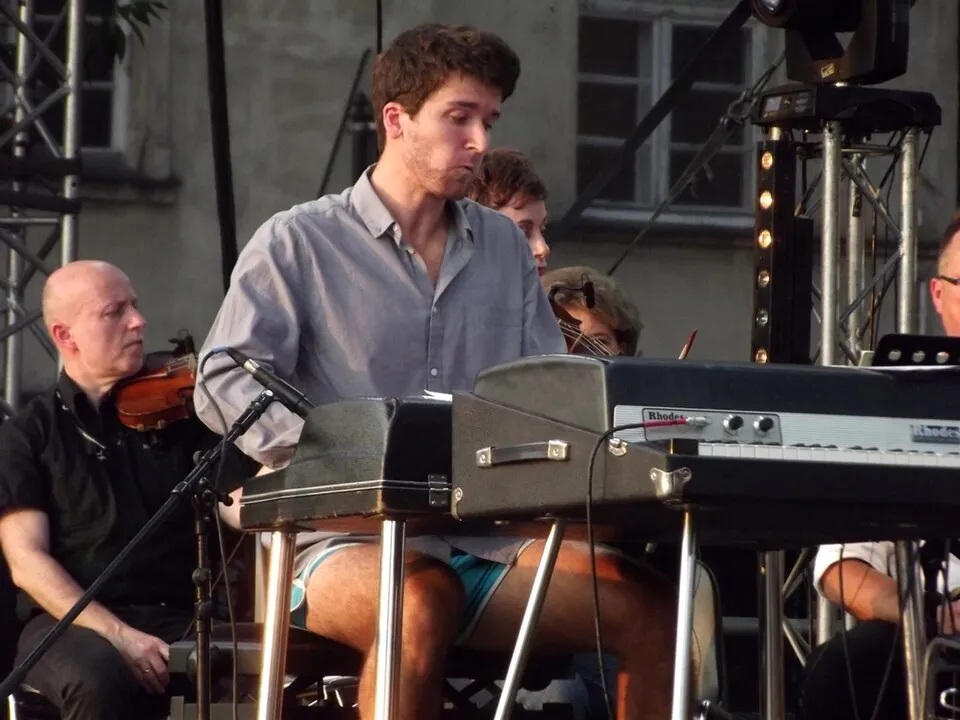 Photo: Piotr Drabik from Poland, CC BY 2.0, Wikimedia Commons
4. Marcin Masecki
Marcin Masecki wrote the music for Paweł Pawlikowski’s “Ojczyzna” (Fatherland). The film premiered on 14 May 2026 in the main competition of the 79th Cannes Film Festival, where Pawlikowski received the award for best director. “Ojczyzna” reached Polish cinemas on 19 June 2026, and in September it won the awards for directing and production design in Gdynia. On 18 September 2026 the Oscar committee of the Polish Film Institute (PISF) selected it as Poland’s submission for the Oscar for best international feature, and in November the film received 11 European Film Award nominations – the most of any title.
Masecki is a jazz and classical pianist and a graduate of Berklee College of Music who has played with Tomasz Stańko and Michał Urbaniak, among others, and today performs with the Jazz Band Młynarski-Masecki, among others. In cinema he has already won an Eagle for the music for the film “Powrót do tamtych dni” (Back to Those Days).
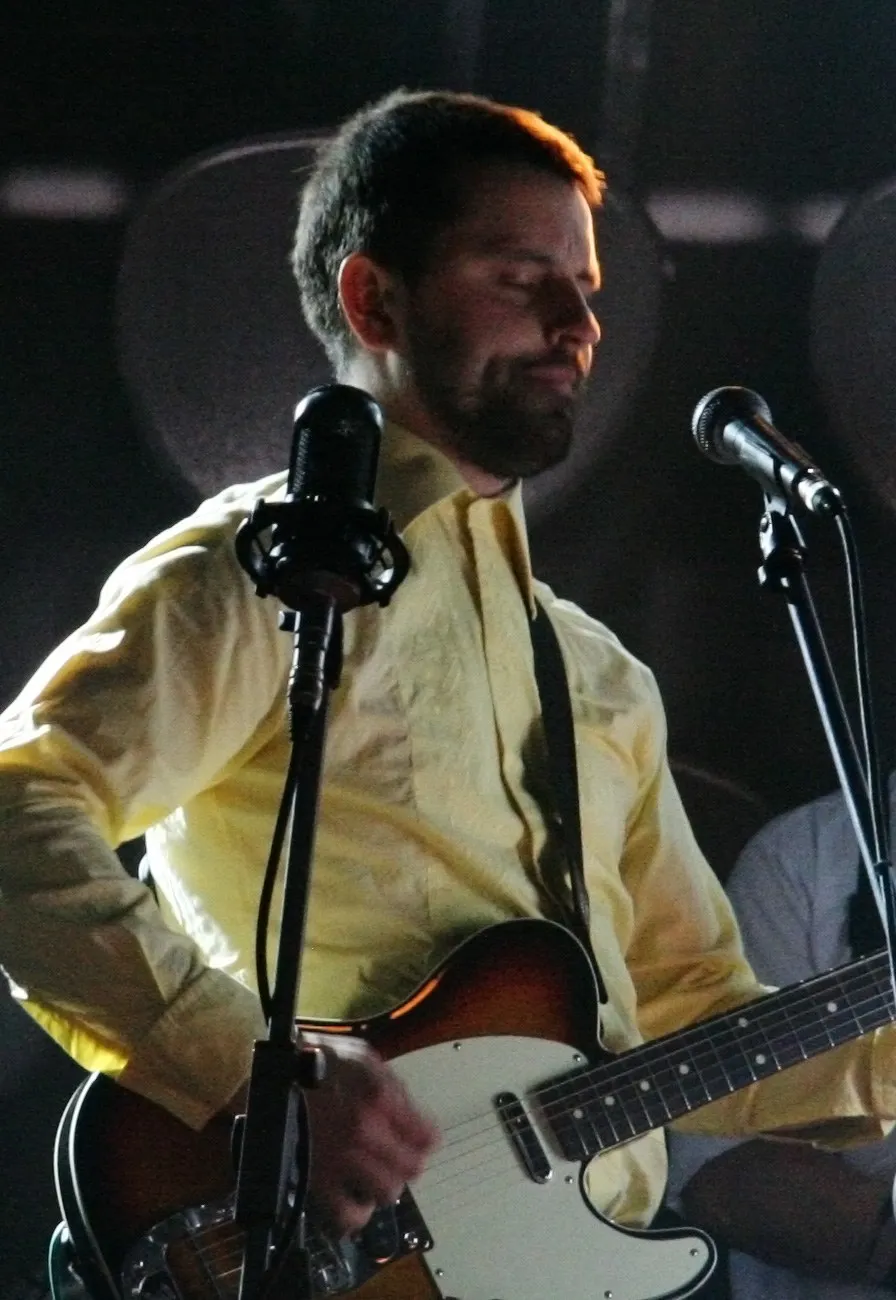 Photo: Jarek Obważanek, CC BY-SA 3.0, Wikimedia Commons
3. Zuzanna Wrońska and Marcin Macuk
Marcin Macuk (pictured) and Zuzanna Wrońska received the music award at the 51st Gdynia Polish Film Festival in September 2026 for Agnieszka Smoczyńska’s “Hot Spot”. “Hot Spot” was one of the festival’s most awarded titles – it also won the awards for costumes (Katarzyna Lewińska) and sound (Marcin Lenarczyk) and the Andrzej Żuławski Golden Claw. The Golden Lions that year went to Maciej Sobieszczański’s “Przez ścianę” (Through the Wall).
It is the duo’s second music award in Gdynia, and the second joint work with Smoczyńska to earn one: in 2022 Wrońska and Macuk were honoured for “The Silent Twins”, a film shown earlier in the “Un Certain Regard” section in Cannes, and in 2023 they were nominated for an Eagle for it. Wrońska is a singer, lyricist and film composer. Macuk is a musician and producer, winner of the 2008 Fryderyk award for producing the album “Hey MTV Unplugged”, who also worked with Kora on her album “Ping Pong”.
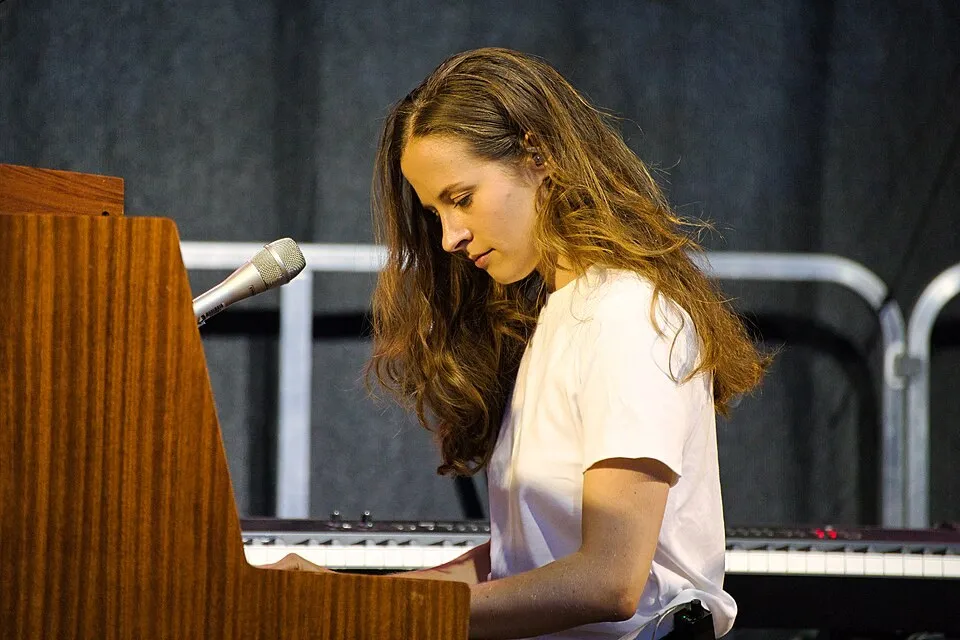 Photo: Schorle, CC BY-SA 4.0, Wikimedia Commons
2. Hania Rani
On 17 January 2026 in Berlin, Hania Rani received the European Film Award for best European composer for the music for Joachim Trier’s “Sentimental Value”. At that gala the film won six European Film Awards, including best film, and in March 2026 – the Oscar for best international feature, with nine nominations. On 30 January 2026 Gondwana Records released the album “Sentimental Value” with her score, and on 27 February the film opened in Polish cinemas.
On 8 June 2026 Hania Rani performed at Teatr Wielki – Polish National Opera at the concert opening the Ephemera festival, presenting the Polish premiere of the piece “Shining” with Hashtag Ensemble. After the concert, the Minister of Culture Marta Cienkowska presented her with the Silver Medal for Merit to Culture – Gloria Artis. Before she began working for Trier, she wrote music for Polish films: “Jak najdalej stąd” (I Never Cry) (the music award in Gdynia in 2020), “Śniegu już nigdy nie będzie” (Never Gonna Snow Again) and “Inni ludzie” (Other People).
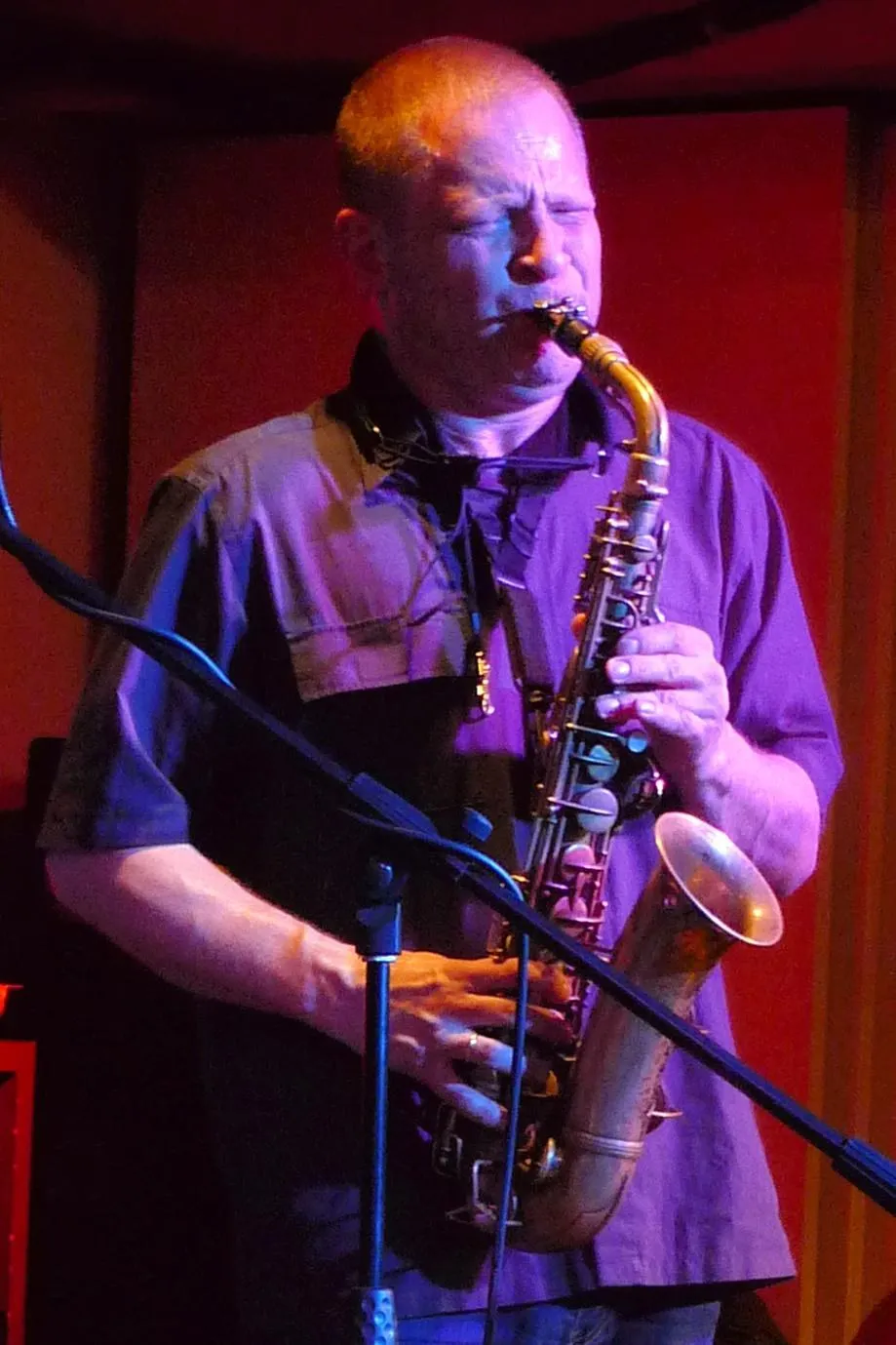 Photo: Andy Newcombe, CC BY 2.0, Wikimedia Commons
1. Mikołaj Trzaska
On 9 March 2026, at the 28th Polish Film Awards gala at Teatr Polski in Warsaw, Mikołaj Trzaska received the Eagle for best music for Wojciech Smarzowski’s “Dom dobry” (Home Sweet Home). Nine scores were nominated in the category, including those by Antoni Komasa-Łazarkiewicz, Michał Lorenc, Wojciech Urbański, Katarzyna Gawlik and Daniel Bloom. “Dom dobry” won five Eagles in total – for best film, directing, the leading roles (Agata Turkot and Tomasz Schuchardt) and music.
It is the third Eagle of Trzaska’s career; he had previously been honoured for “Wołyń” (Hatred) and “Kler” (Clergy), also directed by Smarzowski. In September 2026 the composer sat on the main competition jury of the 51st Gdynia Polish Film Festival, chaired by Krzysztof Zanussi. Trzaska – a saxophonist and composer who emerged from the yass movement – has been part of Smarzowski’s cinema since “Dom zły” (The Dark House), also writing music for “Róża” (Rose), “Drogówka” (Traffic Department), “Pod Mocnym Aniołem” (The Mighty Angel) and subsequent films, and in recent years also for Paweł Maślona’s “Kos” (Scarborn).
Sources: FilmPolski.pl – Gdynia 2026, winners, Polish Film Awards, Eska – Eagles 2026, winners and nominees, Eska – Hania Rani wins a European Film Award, RMF24 – Fryderyk awards 2026, Kujawsko-pomorskie.pl – award for Jerzy Rogiewicz
Photos: Wojtek Urbański – Adam Słaboń, CC BY-SA 4.0, Wikimedia Commons; Antoni Komasa-Łazarkiewicz – Starscream, CC BY-SA 3.0, Wikimedia Commons; Marcin Masecki – Piotr Drabik from Poland, CC BY 2.0, Wikimedia Commons; Zuzanna Wrońska and Marcin Macuk – Jarek Obważanek, CC BY-SA 3.0, Wikimedia Commons; Hania Rani – Schorle, CC BY-SA 4.0, Wikimedia Commons; Mikołaj Trzaska – Andy Newcombe, CC BY 2.0, Wikimedia Commons.
FAQ
Frequently asked questions
01What is the ranking based on?
This is an editorial ranking by Holly Łódź (as of November 2026). We took into account awards and nominations for music given in 2026 (the Eagles, the Gdynia Polish Film Festival, the Fryderyk awards, the Kraków Film Music Festival, the European Film Awards), international festivals, the films’ box-office results and premieres featuring each person’s music. The order reflects the editors’ judgement.
02Who won the Eagle for best music in 2026?
At the gala on 9 March 2026, the Eagle for best music went to Mikołaj Trzaska for Wojciech Smarzowski’s “Dom dobry” (Home Sweet Home). The other nominees included Antoni Komasa-Łazarkiewicz (“Brat”), Mary Komasa and Antoni Komasa-Łazarkiewicz (“Franz Kafka”), Michał Lorenc (“Mensch”), Wojciech Urbański (“Ministranci”) and Daniel Bloom (“Zamach na papieża”).
03Who received the music award in Gdynia in 2026?
At the 51st Gdynia Polish Film Festival in September 2026, the music award went to Zuzanna Wrońska and Marcin Macuk for Agnieszka Smoczyńska’s “Hot Spot”. The Golden Lions went to Maciej Sobieszczański’s “Przez ścianę” (Through the Wall).