Top 10 Polish film directors
The ten most important Polish film directors: their best-known films, style and international recognition, including Oscars and festival awards.

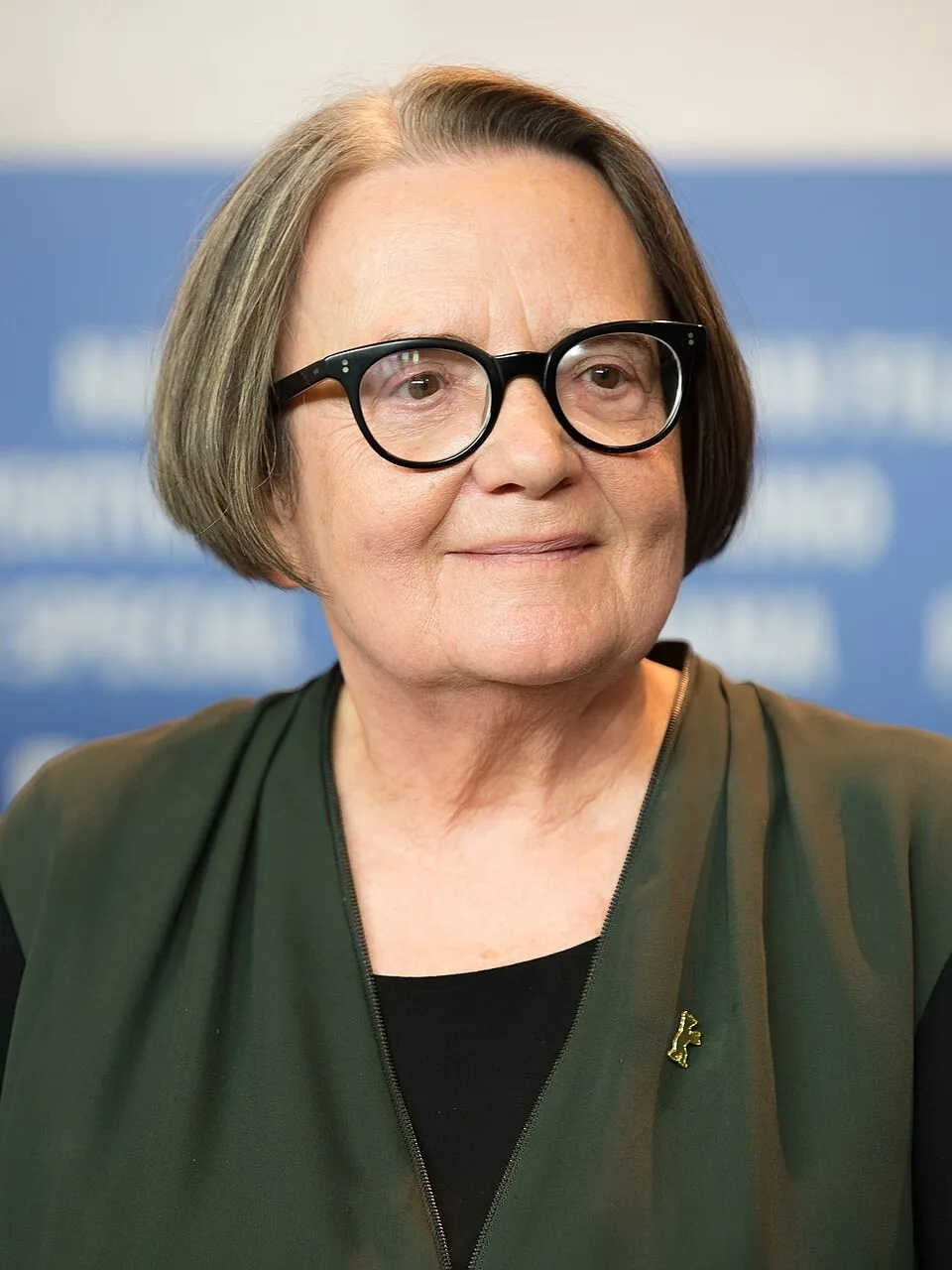 Photo: Martin Kraft, CC BY-SA 3.0, Wikimedia Commons
Agnieszka Holland is one of the best-known and most highly regarded Polish film, television and theatre directors. She was born on 28 November 1948 in Warsaw.
10. Agnieszka Holland
Her career began in the 1970s, when she worked as an assistant director to Krzysztof Zanussi on “Iluminacja” (Illumination), and she then joined Film Unit “X”, headed by Andrzej Wajda. Her feature debut was “Aktorzy prowincjonalni” (Provincial Actors, 1978), which won the FIPRESCI award at the Cannes Film Festival in 1980.
From 1981 she worked mainly abroad – in Western Europe and the USA – where she made films such as “Gorzkie żniwa” (Angry Harvest), “Europa, Europa” and “Washington Square”. Her films have been nominated for an Oscar three times: “Gorzkie żniwa” and “W ciemności” (In Darkness) for Best Foreign Language Film, and “Europa, Europa” for Best Adapted Screenplay.
Agnieszka Holland is known for her social and political engagement, and her films often explore themes such as nation, identity, power and freedom.
Over her career she has received many awards and honours, including the Golden Lions of the Gdynia Polish Film Festival (for “Gorączka” (Fever), “W ciemności” and “Obywatel Jones” (Mr. Jones)), the Silver Bear – Alfred Bauer Prize at the Berlin International Film Festival for “Pokot” (Spoor, 2017) and the Special Jury Prize at the Venice Film Festival for “Zielona granica” (Green Border, 2023).
Agnieszka Holland is one of the best-known and most highly regarded Polish directors, and her contribution to film and theatre culture is immeasurable.
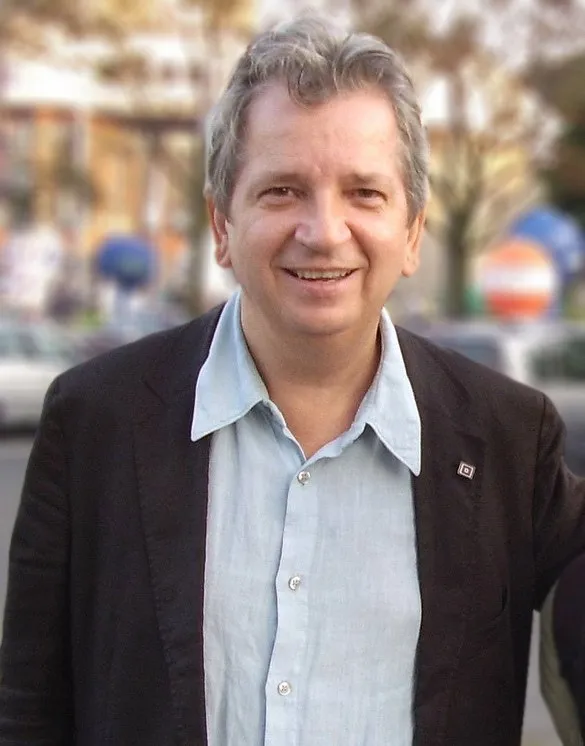 Photo: Sławek, CC BY-SA 2.0, Wikimedia Commons
Juliusz Machulski is a Polish director, screenwriter and film producer, born on 10 March 1955 in Olsztyn. He is one of the best-known and best-loved directors in Poland, famous for his popular comedies.
9. Juliusz Machulski
He began his directing career in the 1980s and quickly became popular with films such as “Vabank”, “Kingsajz” (King Size) and “Seksmisja” (Sexmission). In later years he made many other notable productions, such as “Kiler” (Killer), “Kiler-ów 2-óch”, “Superprodukcja”, “Ile waży koń trojański?” (How Much Does the Trojan Horse Weigh?) and “Ambassada”.
Juliusz Machulski has also written the screenplays for most of his films and works as a film producer. He has worked with many well-known actors and actresses, such as Cezary Pazura, Jerzy Stuhr and Małgorzata Kożuchowska.
His films are known for their distinctive humour, wit and inventive approach to film conventions. Machulski is also regarded as one of the filmmakers who shaped Polish popular cinema of the 1980s and 1990s.
Juliusz Machulski has received many awards and honours, including the Golden Lions at the Gdynia Film Festival for “Girl Guide” (1995) and the annual Award of the Minister of Culture and Art in the field of film (1999).
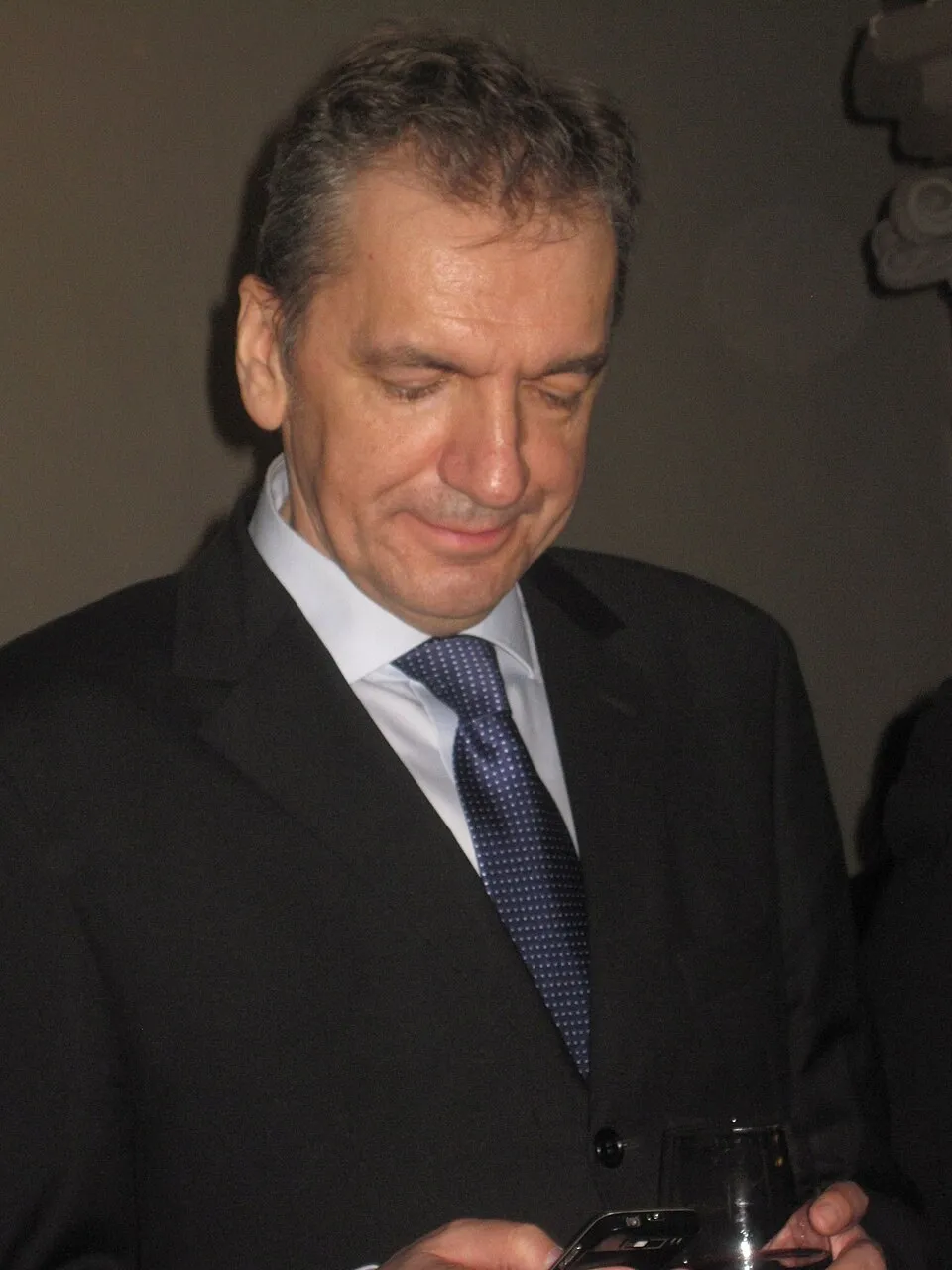 Photo: Justus Nussbaum, CC BY-SA 3.0, Wikimedia Commons
Władysław Pasikowski is a Polish film director and screenwriter, born on 14 June 1959 in Łódź.
8. Władysław Pasikowski
He began his film career in the late 1980s as an assistant director on set. In 1991 he made his debut as a director and screenwriter with “Kroll”, which received the Special Jury Prize and the award for a directing debut at the Gdynia festival. He went on to make such notable productions as “Psy” (Pigs), “Demony wojny według Goi” (Demons of War), “Pokłosie” (Aftermath) and “Jack Strong”.
Władysław Pasikowski is known for his distinctive film style, which often takes on social, historical and political subjects. His films deal with issues such as terrorism, war, violence and social pathologies.
Over his career Pasikowski has received many awards and honours, including three directing awards at the Gdynia Film Festival – for “Psy” (1992), “Słodko gorzki” (Bitter-Sweet, 1996) and “Jack Strong” (2014).
Władysław Pasikowski is one of the most outstanding directors in the history of Polish cinema, and his films are often an important commentary on contemporary problems and social events.
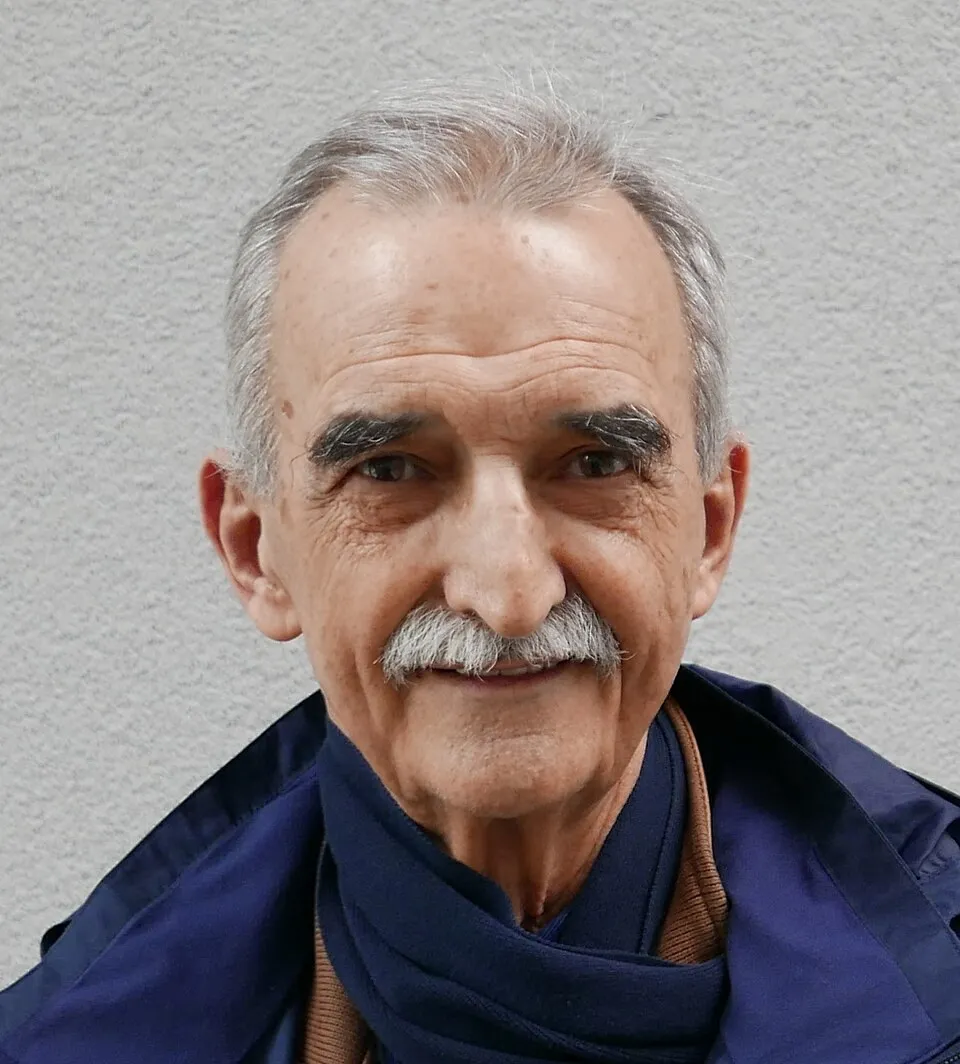 Photo: Jacek Proszyk, CC BY-SA 4.0, Wikimedia Commons
Marek Koterski is a Polish director, screenwriter and actor, born on 3 June 1942 in Kraków.
7. Marek Koterski
He is known above all for his comedies, which often contain elements of the grotesque and black humour. His most important films include “Dom wariatów” (The House of Fools), “Nic śmiesznego” (Nothing Funny) and “Dzień świra” (Day of the Wacko). Many of his films have become cult classics in Poland.
In his films Marek Koterski often tackles difficult subjects, such as the loneliness and frustrations of the intellectual, family relationships and alcohol problems. The protagonist of most of them is Adaś Miauczyński – a neurotic intellectual and the director’s alter ego – and the focus on distinctive characters and their psychological problems makes his films interesting and widely popular.
His films have won many awards – “Dzień świra” received the Golden Lions at the Gdynia festival (2002), and “Wszyscy jesteśmy Chrystusami” (We’re All Christs) the award for directing (2006). Marek Koterski is also a playwright and theatre director. His work has influenced Polish cinema and become an important part of popular culture in Poland.
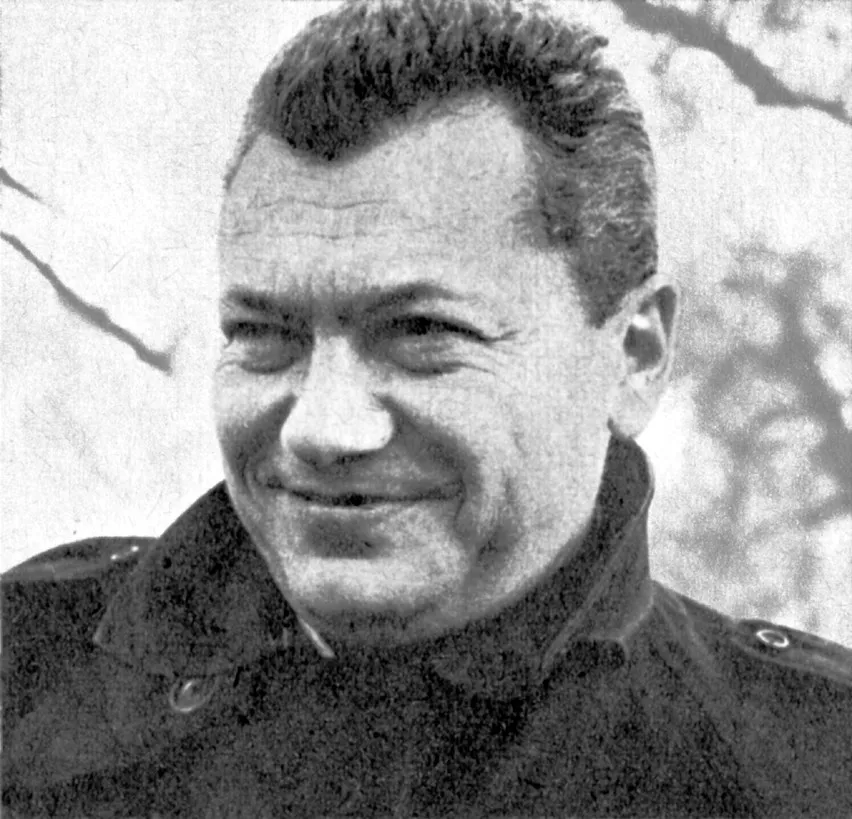 Photo: Unknown photographer, Public domain, Wikimedia Commons
Wojciech Jerzy Has is one of the most important figures in the history of Polish cinema. He was a film director and screenwriter, born on 1 April 1925 in Kraków; he died on 3 October 2000 in Łódź.
6. Wojciech Jerzy Has
He made his feature debut in 1957 with “Pętla” (The Noose), and his best-known films are “Rękopis znaleziony w Saragossie” (The Saragossa Manuscript), “Lalka” (The Doll) and “Sanatorium pod Klepsydrą” (The Hour-Glass Sanatorium). His films were often marked by a deep reflection on the human condition and an innovative approach to film form and structure.
Wojciech Jerzy Has received many awards for his work, both in Poland and abroad. In 1973 he received the Jury Prize at the Cannes International Film Festival for “Sanatorium pod Klepsydrą”, and from 1990 to 1996 he was rector of the Łódź Film School.
His films have had an enormous influence on Polish cinema and are regarded as masterpieces of Polish film. Wojciech Jerzy Has was one of the most important directors of his generation, and his contribution to the development of Polish cinema is immeasurable.
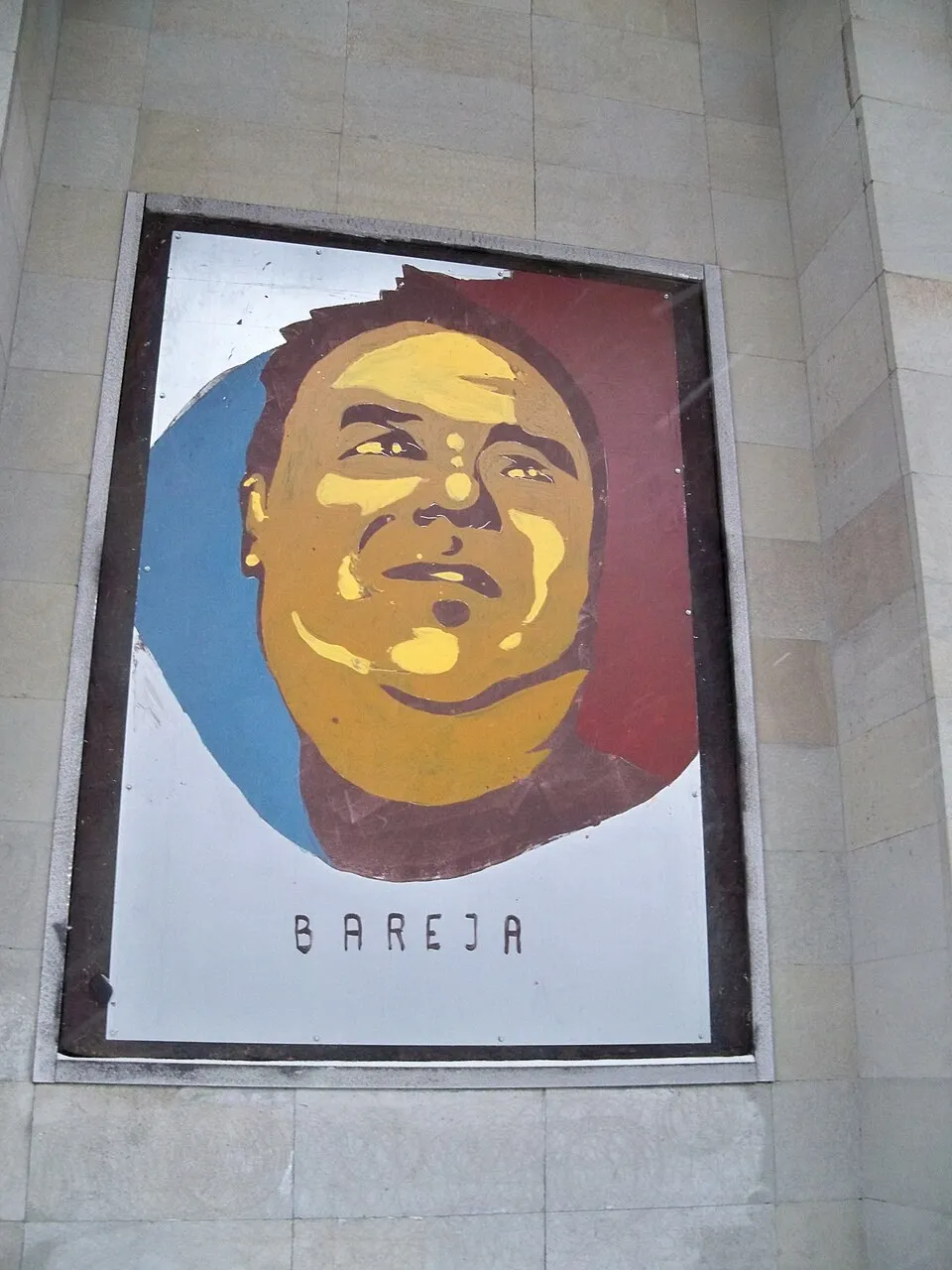 Photo: Panek, CC BY 3.0, Wikimedia Commons
Stanisław Bareja was a Polish film director and screenwriter, born on 5 December 1929 in Warsaw; he died on 14 June 1987 in Essen.
5. Stanisław Bareja
He became famous mainly for the comedies he directed and wrote, such as “Miś” (Teddy Bear), “Poszukiwany, poszukiwana” (Man – Woman Wanted), “Brunet wieczorową porą” (Brunet Will Call) and “Co mi zrobisz, jak mnie złapiesz” (What Will You Do When You Catch Me?). His films have become cult classics for generations of Poles, and characters from his films and TV series, such as chairman Ryszard Ochódzki from “Miś” or the building caretaker Stanisław Anioł from the series “Alternatywy 4”, have become a permanent part of Polish popular culture.
Bareja was a graduate of the Directing Department of the Łódź Film School. He also directed the TV series “Alternatywy 4” and “Zmiennicy”, and he liked to play cameo roles in his own productions.
His directing style, marked by irony and absurdity yet also by disarmingly warm humour, became recognisable throughout Poland and was appreciated by film critics. Stanisław Bareja is regarded as one of the most outstanding directors of Polish comedy.
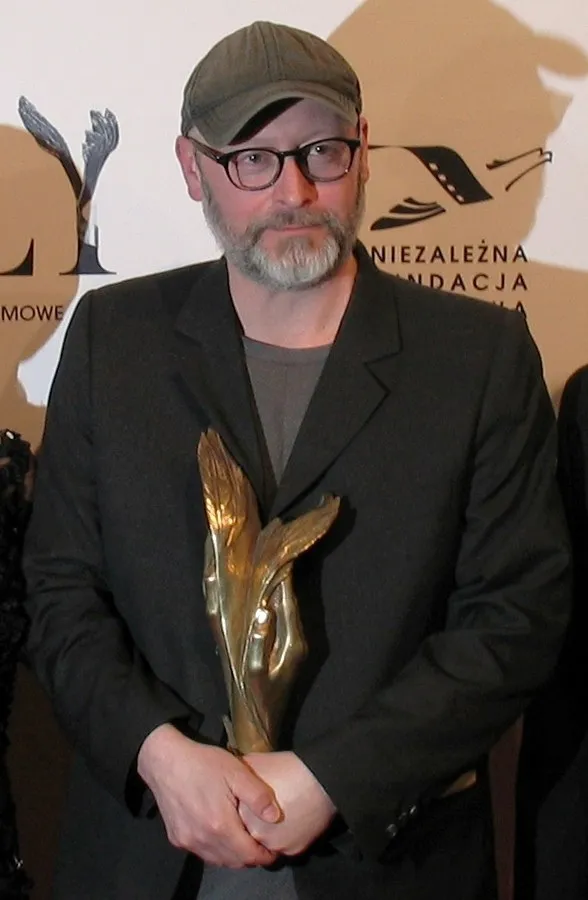 Photo: Artur Balana, CC BY-SA 3.0, Wikimedia Commons
Wojciech Smarzowski is a Polish film director and screenwriter, born on 18 January 1963 in Korczyna.
4. Wojciech Smarzowski
He began his career in the 1990s, and his feature debut in cinemas was “Wesele” (The Wedding) in 2004, which attracted wide interest and won many awards. He then directed films such as “Drogówka” (Traffic Department), “Pod Mocnym Aniołem” (The Mighty Angel) and “Róża” (Rose). His films characteristically focus on social issues and the problems of Polish reality, such as alcoholism, corruption and violence.
Wojciech Smarzowski has won many awards at Polish and international film festivals, including the directing award at the Gdynia Film Festival for “Dom zły” (Dark House, 2009), Polish Film Awards “Eagles” from the Polish Film Academy for best film and best director (for “Wesele”, “Róża” and “Wołyń” (Hatred)) and the Polityka Passport.
Over his career he has also directed Television Theatre productions, TV series and music videos – he received a Fryderyk award for the video for Myslovitz’s song “To nie był film”.
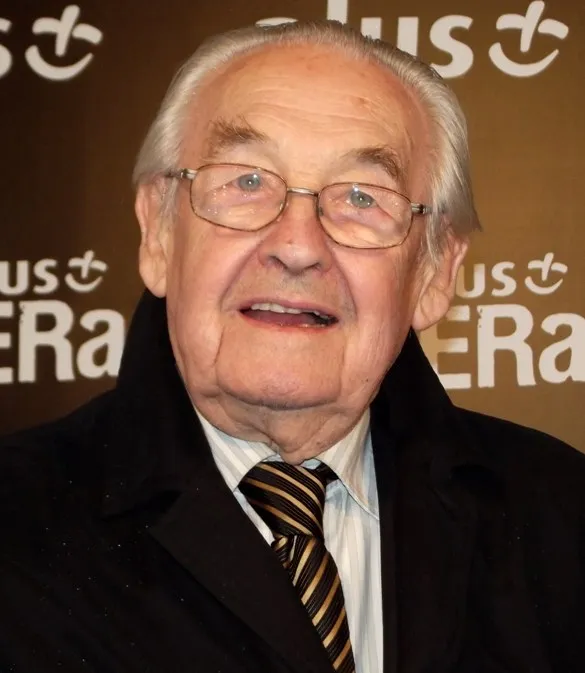 Photo: Piotr DrabikDerivative work: TharonXX, CC BY 2.0, Wikimedia Commons
Andrzej Wajda is a legend of Polish cinema. He was born on 6 March 1926 in Suwałki and died on 9 October 2016 in Warsaw. He was one of the most outstanding Polish film and theatre directors.
3. Andrzej Wajda
He began his directing career in the 1950s and went on to make many classic films, such as “Popiół i diament” (Ashes and Diamonds), “Kanał” (Kanal), “Człowiek z marmuru” (Man of Marble), “Pan Tadeusz”, “Wałęsa. Człowiek z nadziei” (Walesa. Man of Hope) and “Katyń”. His films often address important social and political problems and portray the history of Poland in different periods.
Andrzej Wajda was also active in the theatre, where he directed many notable productions, including at the Stary Teatr in Kraków and at the Teatr Powszechny in Warsaw, where he was artistic director from 1989 to 1990.
Over his directing career he won many awards and honours, including the Palme d’Or at the Cannes Film Festival for “Człowiek z żelaza” (Man of Iron, 1981), an honorary Oscar for lifetime achievement (2000) and an Honorary Golden Bear at the Berlin festival (2006). Andrzej Wajda was also a member of the French Académie des Beaux-Arts.
His contribution to Polish culture and film art is immeasurable, and his films are regarded as classics of Polish cinema.
Behind each of these names is a team that someone had to put together and lead. That is the job of production management – and, even earlier, of project development, where it is decided whether the film will be made at all.
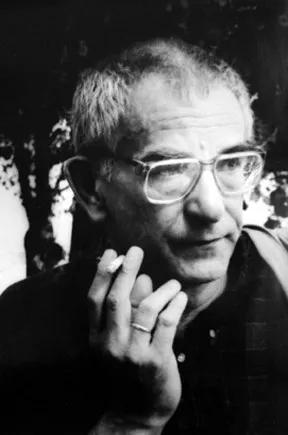 Photo: Alberto Terrile, CC BY-SA 3.0, Wikimedia Commons
Krzysztof Kieślowski (1941–1996) was an outstanding Polish director and screenwriter who became famous both in Poland and around the world for his innovative style and powerful ethical and social messages.
2. Krzysztof Kieślowski
He began his career as a documentary filmmaker and then moved into feature films. In the late 1980s he made the television cycle “Dekalog” (The Decalogue), and in 1993–1994 he created his best-known trilogy – “Trzy kolory” (Three Colours) (“Trzy kolory. Niebieski” (Three Colours: Blue), “Trzy kolory. Biały” (Three Colours: White) and “Trzy kolory. Czerwony” (Three Colours: Red)), which was a huge success and brought him international fame.
Kieślowski was admired for his masterly use of the camera, colour and sound, and for his ability to create extraordinary characters and convey universal emotions. His films explore many important themes, such as freedom, justice, love and human nature.
Over his career Kieślowski received many awards, including the Jury Prize at the Cannes festival for “Krótki film o zabijaniu” (A Short Film About Killing, 1988), the Golden Lion at the Venice International Film Festival for “Trzy kolory. Niebieski” (1993) and the Silver Bear for Best Director at the Berlin festival for “Trzy kolory. Biały” (1994). For “Trzy kolory. Czerwony” he was nominated for an Oscar for directing and screenplay. After his death his films became cult classics, and they continue to enjoy acclaim and popularity around the world.
 Photo: Georges Biard, CC BY-SA 3.0, Wikimedia Commons
Roman Polański is a French-born, Polish-raised film director, screenwriter and actor, born on 18 August 1933 in Paris.
1. Roman Polański
He began his directing career in Poland in the 1950s – this is where his feature debut “Nóż w wodzie” (Knife in the Water, 1962) was made. He later continued his career in Western Europe and in Hollywood, where he made many notable productions, such as “Rosemary’s Baby”, “Chinatown” and “The Pianist”. His directing style is marked by a distinctive atmosphere, narrative complexity and a strong emphasis on character psychology.
Roman Polański is also known for the controversies surrounding him. In 1977 he was charged in the USA with sexual offences against a 13-year-old girl and, under a plea agreement with the prosecution, pleaded guilty to unlawful sexual intercourse with a minor. In 1978, before sentencing, he left the United States and has not returned since; the case formally remains unresolved.
Despite the controversies surrounding him, Polański is regarded as one of the most outstanding directors in the history of cinema. He has won many awards, including the Oscar for Best Director for “The Pianist” (2003), the Palme d’Or at the Cannes Film Festival for the same film (2002) and the Golden Bear at the Berlin Film Festival for “Cul-de-sac” (1966). His contribution to film culture is immeasurable and forms an important part of the history of cinema.
Photos: Agnieszka Holland – Martin Kraft, CC BY-SA 3.0, Wikimedia Commons Agnieszka Holland is one of the best-known and most highly regarded Polish film, television and theatre directors. She was born on 28 November 1948 in Warsaw.; Juliusz Machulski – Sławek, CC BY-SA 2.0, Wikimedia Commons Juliusz Machulski is a Polish director, screenwriter and film producer, born on 10 March 1955 in Olsztyn. He is one of the best-known and best-loved directors in Poland, famous for his popular comedies.; Władysław Pasikowski – Justus Nussbaum, CC BY-SA 3.0, Wikimedia Commons Władysław Pasikowski is a Polish film director and screenwriter, born on 14 June 1959 in Łódź.; Marek Koterski – Jacek Proszyk, CC BY-SA 4.0, Wikimedia Commons Marek Koterski is a Polish director, screenwriter and actor, born on 3 June 1942 in Kraków.; Wojciech Jerzy Has – Unknown photographer, Public domain, Wikimedia Commons Wojciech Jerzy Has is one of the most important figures in the history of Polish cinema. He was a film director and screenwriter, born on 1 April 1925 in Kraków; he died on 3 October 2000 in Łódź.; Stanisław Bareja – Panek, CC BY 3.0, Wikimedia Commons Stanisław Bareja was a Polish film director and screenwriter, born on 5 December 1929 in Warsaw; he died on 14 June 1987 in Essen.; Wojciech Smarzowski – Artur Balana, CC BY-SA 3.0, Wikimedia Commons Wojciech Smarzowski is a Polish film director and screenwriter, born on 18 January 1963 in Korczyna.; Andrzej Wajda – Piotr DrabikDerivative work: TharonXX, CC BY 2.0, Wikimedia Commons Andrzej Wajda is a legend of Polish cinema. He was born on 6 March 1926 in Suwałki and died on 9 October 2016 in Warsaw. He was one of the most outstanding Polish film and theatre directors.; Krzysztof Kieślowski – Alberto Terrile, CC BY-SA 3.0, Wikimedia Commons Krzysztof Kieślowski (1941–1996) was an outstanding Polish director and screenwriter who became famous both in Poland and around the world for his innovative style and powerful ethical and social messages.; Roman Polański – Georges Biard, CC BY-SA 3.0, Wikimedia Commons Roman Polański is a French-born, Polish-raised film director, screenwriter and actor, born on 18 August 1933 in Paris..